The red line just got a lot thinner. On Tuesday evening, a projectile slammed into the grounds of Iran’s Bushehr nuclear power plant, sending a literal shockwave through a region already teetering on the edge of total collapse. We’re in the third week of a brutal, high-stakes conflict involving the United States, Israel, and Iran, and the rules of engagement are being rewritten in real-time.
I’ve watched these escalations for years, but this is different. Targeting the vicinity of an active nuclear reactor isn't just a military maneuver; it's a message that nothing is off-limits. While Tehran and the International Atomic Energy Agency (IAEA) confirm there’s no immediate radiation leak or structural damage to the reactor itself, the psychological damage is done. You don't "accidentally" hit the premises of a nuclear plant in a precision-guided era.
The Bushehr Incident and Why It Matters
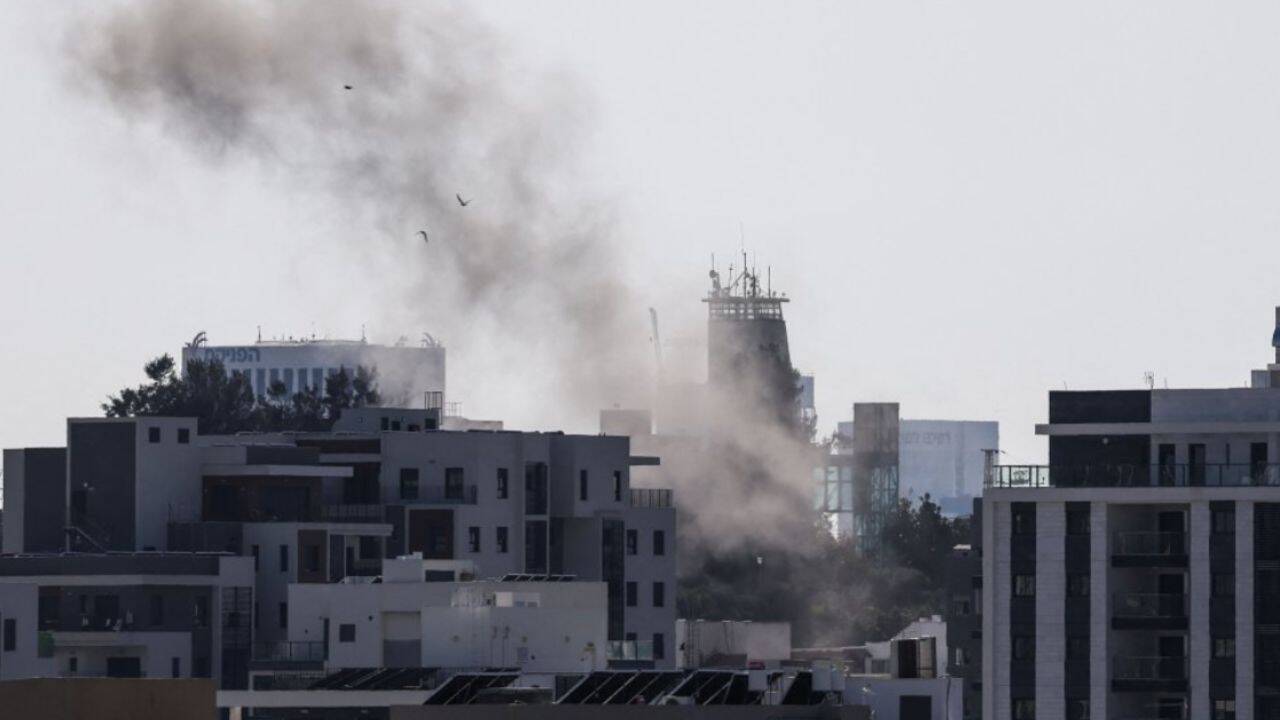
At approximately 7 p.m. local time, the strike hit the port city of Bushehr. This isn't some mountain-hidden enrichment facility like Natanz. Bushehr is a massive, Russian-linked civilian power plant sitting right on the Persian Gulf.
If that projectile had been a few hundred yards to the left, we wouldn't be talking about diplomacy. We’d be talking about a radiological disaster that would poison the waters of the Gulf and choke the economies of every neighboring state. IAEA Director General Rafael Grossi isn't exaggerating when he calls for "maximum restraint." He knows that an operational plant like Bushehr holds thousands of kilograms of nuclear material. A direct hit is a nightmare scenario for everyone, not just Iran.
Russia's state nuclear giant, Rosatom, was quick to condemn the strike. It makes sense. They built the thing. For Moscow, this is an attack on their technical footprint and their prestige. But for the average person in Dubai, Doha, or Kuwait City, it's a terrifying reminder of how quickly their backyard could become uninhabitable.
Saudi Arabia Steps into the Leadership Vacuum
While missiles fly, the diplomats are scrambling. Saudi Arabia just announced it's hosting a "consultative ministerial meeting" in Riyadh this evening. They’ve invited foreign ministers from across the Arab and Islamic world.
Don't mistake this for a standard photo-op. The Kingdom is in a bind. Iranian drones and missiles have been raining down on Gulf infrastructure for days, trying to force these countries to distance themselves from the U.S.-Israeli campaign. It's a classic squeeze play.
Prince Faisal bin Farhan, the Saudi Foreign Minister, spent Tuesday on the phone with leaders from Egypt, the UAE, Iraq, and even Syria. The goal? A unified front. The Gulf states are tired of being the punching bag in a war they didn't start. They’re looking for a way to de-escalate before a stray missile hits a desalination plant or, worse, another nuclear site.
The Chaos in Tehran and the Trump Factor
Inside Iran, the situation is looking increasingly desperate. We’ve seen reports that Supreme Leader Mojtaba Khamenei has been wounded, and the IRGC is basically running the show now. The deaths of security chief Ali Larijani and Basij commander Gholamreza Soleimani in recent strikes have left a massive power vacuum.
When a regime feels backed into a corner, it lashes out. That explains the cluster munitions hitting Tel Aviv and the constant harassment of shipping in the Strait of Hormuz.
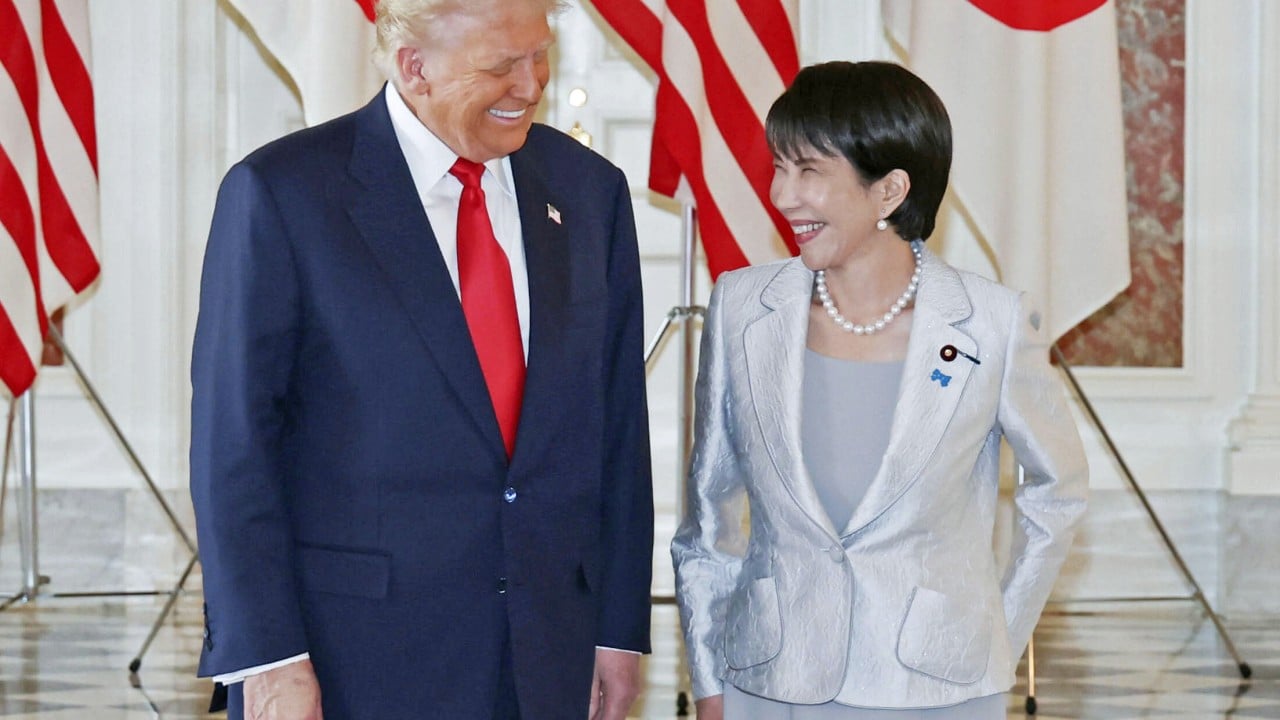
Then you have President Donald Trump. He’s already bragging that the military campaign is "way ahead of schedule." He’s scolding NATO allies for not sending ships to the Gulf and basically dismissing concerns about the humanitarian cost or the risk of nuclear accidents. His stance is clear: keep the pressure on until the regime breaks. But "breaking" a regime with a nuclear program is a messy, unpredictable business.
What This Means for Your Security
If you're wondering how this affects you, look at the logistics. International airports in Dubai and Doha have seen repeated closures. Supply chains are snapping. This isn't just a local spat; it’s a global economic emergency.
Here’s the reality you need to face:
- Nuclear risks are no longer theoretical. The strike near Bushehr proves that "safe zones" don't exist in this conflict.
- Diplomacy is moving to the "Islamic bloc." Watch the Riyadh meeting. If Saudi Arabia can't broker a pause, the next phase of this war will likely see more direct involvement from regional players.
- Market volatility is the new normal. Until the Strait of Hormuz is truly secured—not just contested—oil prices and shipping costs will stay through the roof.
The next few days are critical. If the Riyadh summit produces a concrete proposal for a "maritime corridor" or a temporary ceasefire, we might see a cooling-off period. If not, the "Epic Fury" and "Roaring Lion" operations will only intensify.
Stay informed by following direct updates from the IAEA for radiation monitoring and the Saudi Ministry of Foreign Affairs for the outcome of the Riyadh talks. Don't rely on single-source social media reports; the fog of war is thick, and misinformation is being used as a weapon by all sides. If you have interests in the region, now is the time to trigger your contingency plans for supply chain and travel disruptions.