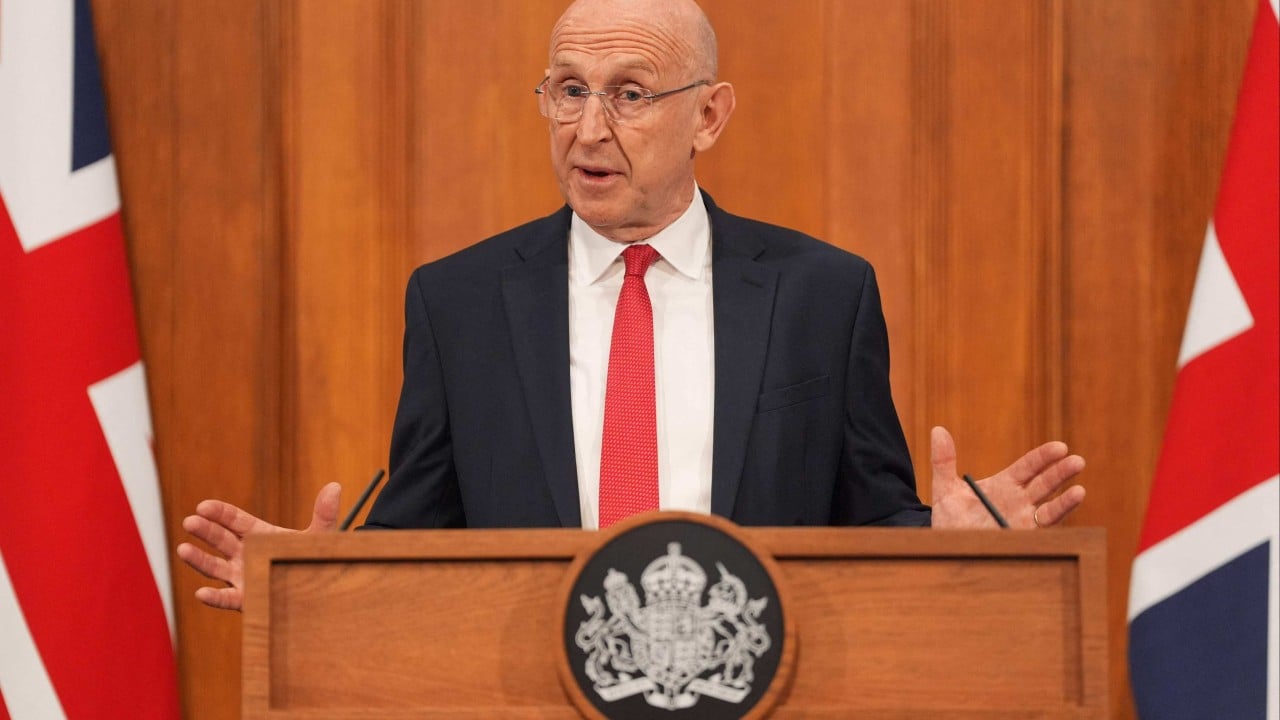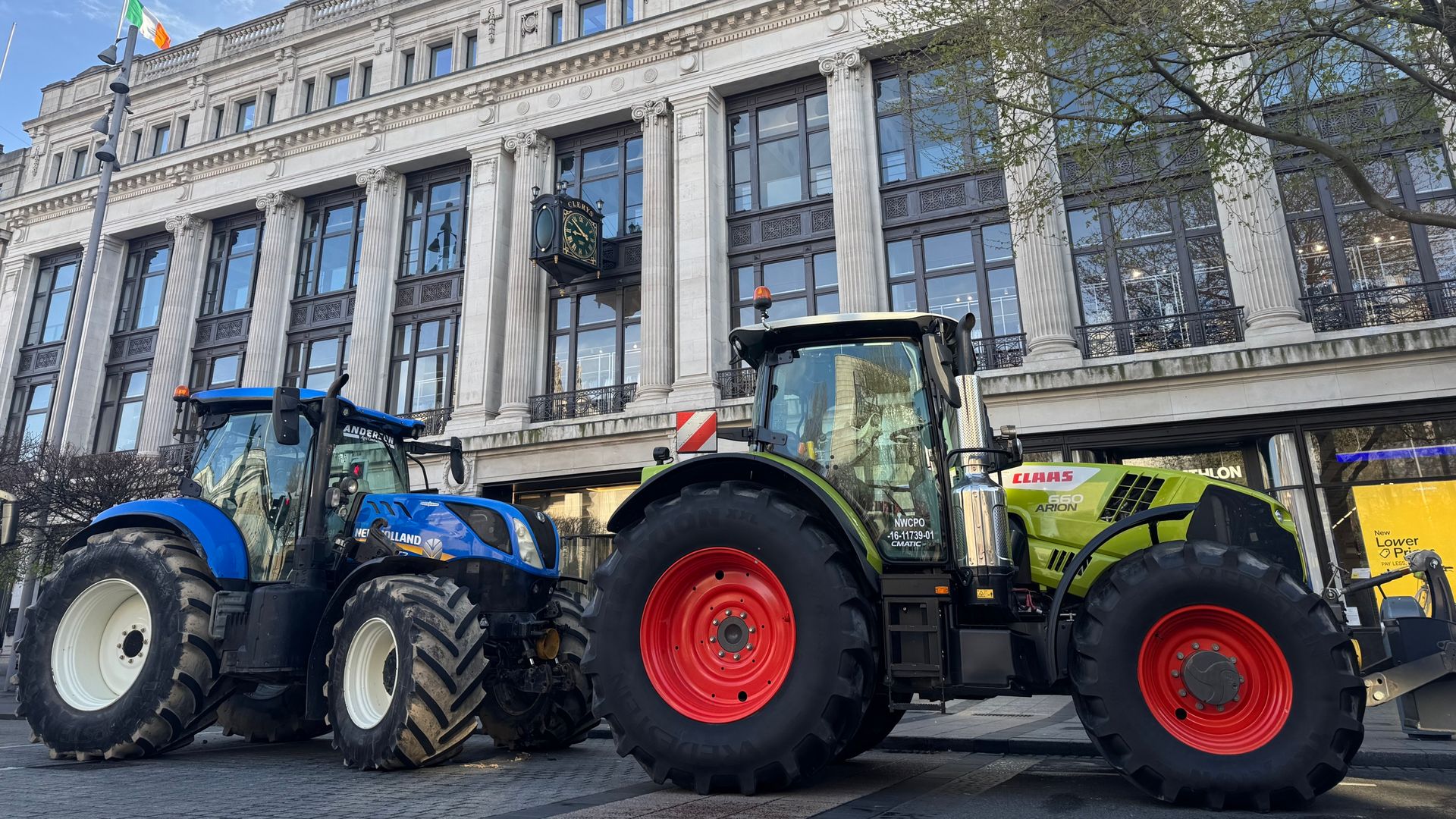
The Irish government just pushed the panic button. After three days of hauliers and farmers turning Dublin into a parking lot and choke-holding fuel depots, the state has called in the big guns—literally. Justice Minister Jim O’Callaghan didn't mince words this morning when he confirmed the Defence Forces are being deployed to clear the blockades.
It's a messy escalation. If you've been trying to get through Dublin or near Whitegate in Cork, you know the chaos is real. But bringing in the army to tow trucks isn't just about traffic management. It’s a loud, clear signal that the government's back is against the wall.
The breaking point at the depot gates
Things took a dark turn on Wednesday. What started as slow-moving convoys on the M50 and M1 shifted into something much more surgical. Protesters didn't just stay on the roads; they parked their rigs across the entrances of critical infrastructure like the Whitegate oil refinery in County Cork and the Foynes terminal in Limerick.
Taoiseach Micheal Martin is calling this "an act of national sabotage." He’s not totally wrong from a logistical standpoint. When you block the source, the whole country feels the squeeze within 48 hours. Fuels for Ireland has already warned that forecourts are running dry. This isn't just about a few guys in high-vis vests anymore; it’s about whether the fire brigade can get diesel for their engines.
The "aid to the civil power" move—requesting the army via a C70 form—is something the Irish state hates doing. It looks bad. It feels heavy-handed. But with the Dublin Fire Brigade reporting delays to emergency calls and the National Emergency Co-ordination Group (NECG) sounding the alarm, the "softly, softly" approach with the Gardaí is officially over.
The logic of the heavy-lift tow truck
Don’t expect to see tanks on O’Connell Street. The army's role here is specific and technical. They’ve got the heavy-lift recovery trucks that can actually move a 40-tonne articulated lorry. Most private towing companies won't touch these protests—either because they don't have the gear or they don't want the heat from their own industry peers.
Minister O’Callaghan’s warning was surprisingly blunt: move the vehicles now or don't complain when they get damaged during removal. It’s a "you've been warned" moment that suggests the army won't be using kid gloves.
Why the €250m package failed to stop this
You might wonder why these protests are happening when the government just threw €250 million at the problem last month. They cut fuel excise, expanded the diesel rebate for hauliers, and bumped up the fuel allowance. On paper, that’s a 17 to 22 cent drop at the pump.
But here’s the reality: the Iran war has turned the global energy market into a bonfire. Any savings from that government package were swallowed up by the market in days. When the Strait of Hormuz gets mentioned in news bulletins, Irish hauliers know they’re in trouble. The protesters, led by figures like John Dallon, say they want a meeting with the top brass, but the government is refusing to talk until the roads are clear.
The "outside actors" and the anarchy narrative
There’s a pivot happening in the government’s PR strategy. They’re no longer just talking about fuel prices; they’re talking about "democracy vs. anarchy." Agriculture Minister Martin Heydon has been all over the airwaves today leaning into this.
There's also a weird undercurrent of "outside influence" being cited. O’Callaghan mentioned that protesters are being manipulated by right-wing activists from abroad. It’s a convenient line for a government that wants to delegitimize a grassroots movement, but for the farmer in Wexford who can't afford to run his tractor, it probably feels like a massive distraction from the bill on his kitchen table.
What happens if you're caught in the middle
If you're a commuter or a business owner, the "enforcement phase" is what you need to watch. Deputy Commissioner Shawna Coxon has made it clear that the Gardaí are done negotiating. If you’re participating in a blockade, you’re now facing the "full rigours of the law."
Here is what you actually need to know if you're trying to navigate this:
- Avoid the M1 and M50 hubs: Even if the army starts moving trucks, the backlog will take hours, if not days, to clear.
- Fuel up now, but don't hoard: Panic buying is exactly what turns a logistical headache into a full-blown crisis.
- Check your local emergency routes: Dublin Fire Brigade and the ambulance services are still reporting "serious concern" regarding response times.
The government is betting that the sight of army tow trucks will break the protesters' resolve. It’s a high-stakes gamble. If it works, the depots open and the fuel flows. If it doesn't, and we see images of smashed-up trucks being dragged away by soldiers, the public mood could sour very quickly.
Ultimately, towing a truck is easy. Fixing a broken energy economy while a war rages in the Middle East is the part they haven't figured out yet. Watch the news tonight; the next 24 hours will decide if this ends in a handshake or a riot.