The accusations of Easter truce violations between Russia and Ukraine reflect a deeper, more cynical strategy than simple battlefield friction. While Moscow publicly condemns Kyiv for allegedly breaking a holiday silence, the reality on the ground suggests that "truces" in this conflict have become tactical instruments rather than humanitarian pauses. These diplomatic maneuvers serve as psychological operations designed to paint the opponent as godless or unreliable to domestic and international audiences. Behind the rhetoric lies a calculated use of religious timing to regroup, resupply, and reset the narrative of the war.
The Architecture of the Religious Allegation
Russia’s narrative regarding the Easter period focuses heavily on the moral high ground. By framing the conflict through the lens of Orthodox Christianity, the Kremlin attempts to consolidate its identity as the "protector of traditional values." When accusations of shelling or drone strikes emerge during the Holy Week, they are not merely reports of military action. They are framed as sacrilege. This transformation of a border skirmish into a spiritual offense is a classic pillar of information warfare. For a more detailed analysis into this area, we suggest: this related article.
Ukraine, conversely, views these calls for a ceasefire with intense skepticism. Historically, "holiday silences" in the Donbas region—dating back to 2014—have rarely resulted in a total cessation of fire. Often, the side calling for the truce uses the lull to move heavy equipment under the guise of "maintenance" or "rotations." For Kyiv, agreeing to a Moscow-led truce often feels like inviting a Trojan Horse.
The timing of these accusations often coincides with stalled offensives. If one side finds its momentum blunted by mud, logistics, or exhaustion, a "humanitarian pause" offers a convenient way to halt the enemy’s counter-progress without admitting military weakness. To get more context on the matter, in-depth reporting is available on Al Jazeera.
Tactical Reality Versus Diplomatic Theater
Military commanders in the trenches rarely operate on the same calendar as the diplomats in the capital. Even if a formal ceasefire is announced, the decentralized nature of modern drone warfare and artillery duels makes a "zero-fire" scenario almost impossible to maintain. A single nervous mortar crew or a pre-programmed loitering munition can trigger a retaliatory cycle that renders the entire truce moot within hours.
We must look at the specific geography of recent claims. Most reported violations occur in high-pressure zones where neither side can afford to yield an inch of ground, regardless of the date. In areas like the Donbas or the southern front, tactical positions are so close that "holding fire" is seen as a lethal risk. If a reconnaissance unit spots a high-value target moving in the open, the temptation to strike outweighs the diplomatic fallout of breaking a holiday pledge.
The Role of Domestic Consumption
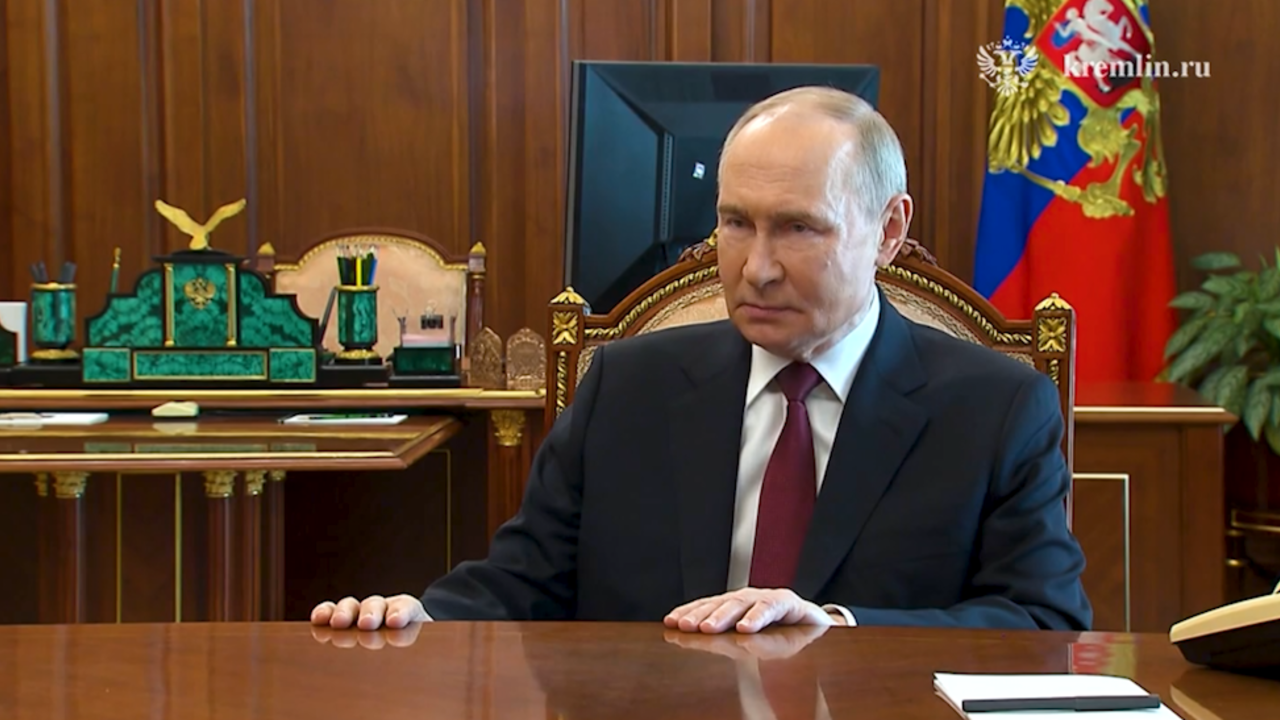
For Vladimir Putin, the accusation that Ukraine violates a religious holiday serves a specific internal purpose. It reinforces the claim that the government in Kyiv is "alien" to the shared history of the region. By highlighting attacks on or near the Easter period, Russian state media can stoke resentment among the more conservative sectors of the Russian population, ensuring continued support for the mobilization efforts.
Ukraine’s response is usually grounded in the logic of defense. Their analysts point out that the Russian military has frequently used missile strikes on civilian infrastructure during significant dates—not just religious ones, but national holidays as well. This creates a feedback loop of "whataboutism" where the actual facts of a specific Easter Sunday strike are buried under years of accumulated grievances and prior betrayals.
Intelligence Gauging and the Fog of Faith
A truce isn't just about stopping bullets. It is an intelligence-gathering opportunity. During a lull, electronic warfare signatures change. Radio traffic might decrease, or conversely, spike as units coordinate the pause. Sensors that were previously drowned out by the noise of constant shelling can suddenly pick up the movement of tanks or the positioning of new battery units.
The "violation" is often the point. By accusing the other side of firing first, a military can justify its own pre-planned escalation. It provides a "moral" clearance to launch a larger barrage that was already in the works. This is why we see a pattern where accusations of truce-breaking are almost immediately followed by "retaliatory" strikes that are far more intensive than the initial incident.
The Erosion of International Mediation
In previous decades, the Red Cross or the United Nations might have successfully brokered these pauses with some level of monitoring. In the current theater, there is no trusted third party with the access or the teeth to verify who pulled the trigger first. The OSCE (Organization for Security and Co-operation in Europe) monitoring missions that were once active are long gone. This vacuum allows both Moscow and Kyiv to broadcast their own versions of reality to their respective bubbles without fear of an independent fact-check.
The tragedy of the "Easter Truce" is that it has been hollowed out. It is no longer a moment for civilians to find safety or for soldiers to reflect. It is a recurring line item in a press release.
The Logistics of the Pause
War is a hungry machine. It requires thousands of tons of fuel, ammunition, and food every single day. A three-day truce isn't just a break for the soldiers; it’s a vital window for the quartermasters. In the brutal attrition of this conflict, the logistics chain is under constant threat from FPV (First Person View) drones. A ceasefire—even a nominal one—allows supply trucks to move with slightly more confidence along contested roads.
When Russia accuses Ukraine of violating the truce, they are often complaining that their logistical movements were targeted during what they hoped would be a free pass. Ukraine, seeing these movements as a direct threat to their defensive lines, views the "truce" as a tactical ruse and acts accordingly. The fundamental disagreement isn't about the holiness of the day, but about whether the enemy is allowed to use that day to prepare for a better slaughter on Monday.
Western Perception and the Burden of Proof
Kyiv remains acutely aware of how these accusations play in Washington and Brussels. If the narrative takes hold that Ukraine is "uncontrollable" or "disrespectful of humanitarian norms," it could provide ammunition to political factions looking to scale back military aid. This is exactly why Russian officials are so aggressive in their English-language reporting of these alleged violations. They are targeting the wavering Western voter, not just the local parishioner.
However, the evidence provided for these violations is usually grainy drone footage or unverified telegram reports. In an era of deepfakes and staged propaganda, the threshold for proof has never been higher, yet the speed of the news cycle demands an immediate reaction. This creates a dangerous environment where policy decisions or public opinion might be swayed by a "violation" that never actually occurred, or one that was meticulously baited by the accuser.
The Cultural Divide over the Calendar
The complexity is deepened by the recent shift in Ukraine’s own religious identity. As part of a broader move to distance itself from Russian influence, large portions of the Ukrainian church have moved away from the Julian calendar used by the Russian Orthodox Church. This means that, in some cases, the two sides aren't even celebrating on the same day.
This divergence makes the "universal" call for a truce even more fragmented. If one side considers the holiday to be over while the other is just beginning their primary liturgy, the window for misunderstanding expands. It turns a shared tradition into a point of friction, where the very act of choosing when to pray becomes a political statement.
Beyond the Battlefield Rhetique
The recurring cycle of "truce and accusation" suggests that we are far from any meaningful negotiated settlement. When two sides cannot even agree on a temporary halt for a major religious holiday without using it as a weapon, the trust levels are effectively at zero. The rhetoric about Easter violations is a symptom of a total war where every element of human life—including faith—is drafted into service.
Observers should expect these claims to intensify as the war grinds on. Each holiday provides a fresh opportunity to restart the propaganda engine. The goal isn't to find peace for a day; it is to ensure the enemy is blamed for the lack of it. As long as the "truce" is viewed as a tactical tool rather than a humanitarian necessity, the shells will continue to fall, regardless of what the bells in the cathedrals are saying.
The strategic takeaway for the international community is clear. Stop looking at holiday ceasefire proposals as signs of de-escalation. Instead, view them as indicators of a pending shift in tactical focus. When the accusations of "sacrilege" start flying from the Kremlin, it is usually a sign that the next phase of heavy bombardment is being loaded into the tubes.
Forget the notion of a sacred pause; in this conflict, the holiday is just another target on the map.