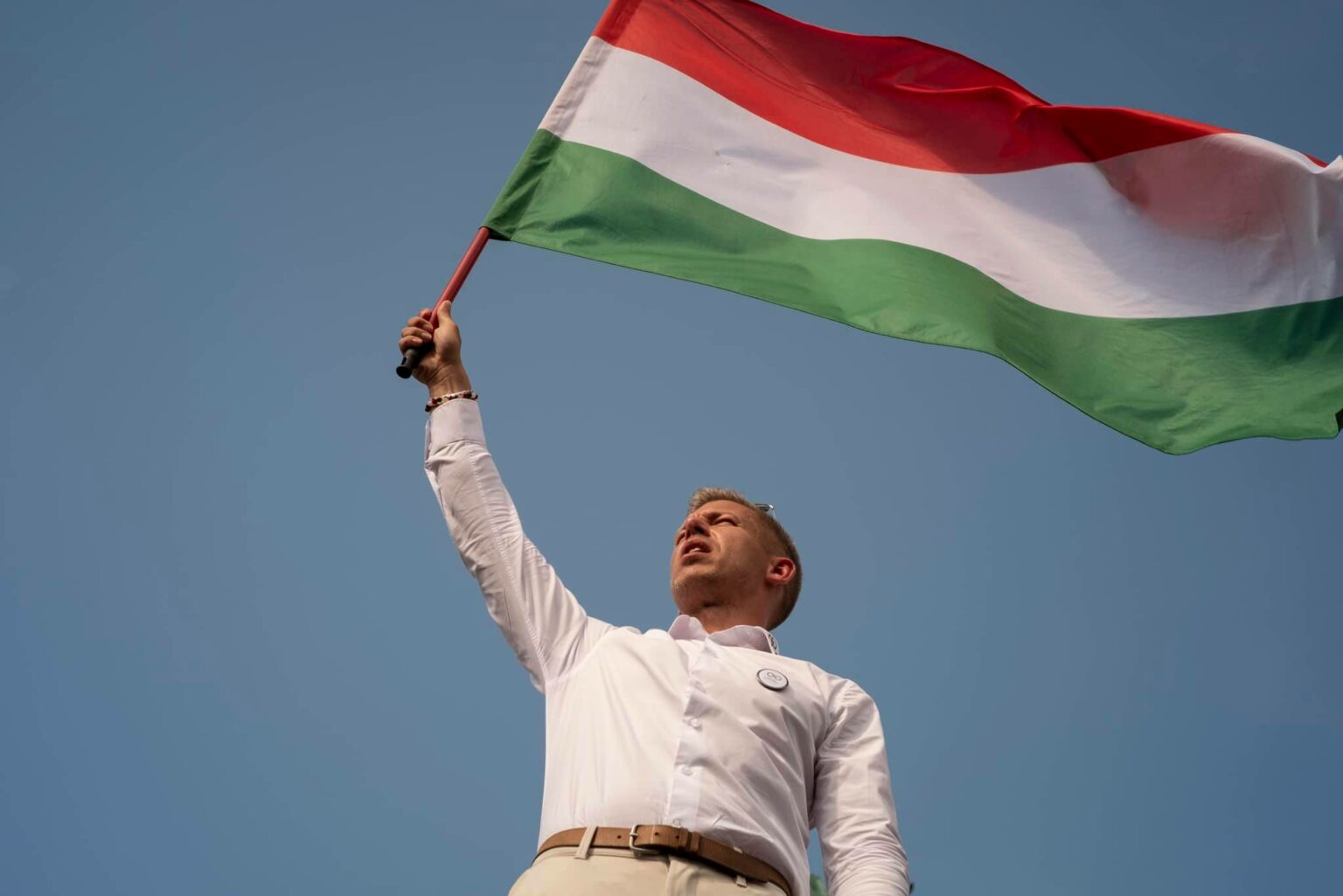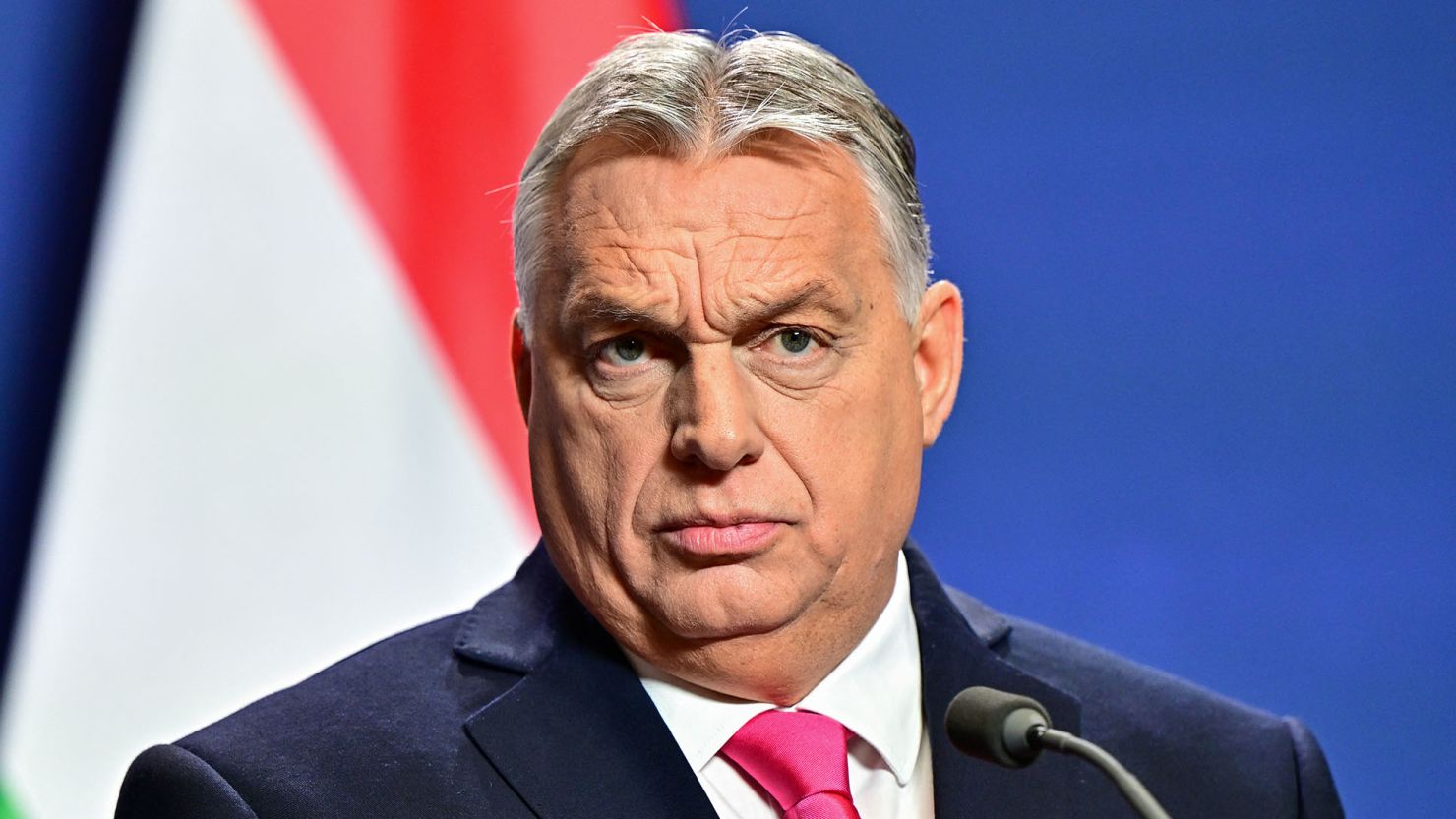
After sixteen years of total dominance, the fortress has finally crumbled. Viktor Orban, the architect of Hungary’s "illiberal democracy" and the man who spent a decade and a half daring the European Union to stop him, conceded defeat on Sunday night. The finality of the moment was striking. With nearly all votes counted, Peter Magyar and his Tisza party have not only won but have secured a staggering two-thirds supermajority. It is a political earthquake that few expected to happen with such velocity, yet the cracks in the foundation had been widening for years.
The Insider Who Broke the Machine
The story of Orban’s downfall is not about a sudden surge of traditional liberalism. It is about a defection from within the palace walls. Peter Magyar was not an outsider; he was a Fidesz insider, a man who knew exactly how the gears of the state moved because he helped grease them. When he broke ranks following the 2024 presidential pardon scandal involving a pedophile case cover-up, he didn't just leave. He took the blueprint of Orban’s power with him.
Magyar understood something the fragmented opposition never did. You cannot beat Orban by talking about abstract democratic norms from a Budapest coffee shop. You beat him by speaking the language of the disillusioned heartland. Magyar campaigned on a platform of "national, sovereign, bourgeois Hungary," the very promise Orban made in 2010 but, according to Magyar, turned into a "political product" for enriching a narrow circle of oligarchs.
This wasn't a debate about left versus right. It was a referendum on competence and corruption. While Orban focused on phantom enemies like "Brussels bureaucrats" and "gender ideology," the average Hungarian was looking at crumbling hospitals and a rail system that seemed to be reverting to the 19th century.
The Arithmetic of a Supermajority
The scale of the victory is hard to overstate. Tisza is projected to hold 138 of the 199 seats in the National Assembly. This is the same "supermajority" power Orban used to rewrite the constitution and cement his control. Now, the weapon belongs to the challenger.
The demographic shift was the primary driver. Record voter turnout, exceeding 77%, suggests that the "silent majority" finally decided the cost of staying home was too high. Among voters under 30, support for the opposition was near 65%. For a generation that has known no other leader than Orban, the desire for change outweighed the government's heavy-handed messaging.
Why the Propaganda Failed
For years, the Fidesz media machine was considered invincible. It controlled the vast majority of local newspapers, radio stations, and television channels. In this election, however, the digital divide proved to be Orban's Achilles' heel. Magyar bypassed the state-controlled gatekeepers by utilizing social media and massive, grassroots rallies that felt more like rock concerts than political events.
The government’s attempt to paint Magyar as a "warmonger" or a "puppet of foreign interests" simply didn't stick. The message was too repetitive, too disconnected from the daily reality of inflation and a stagnating economy. When you tell people they are living in a golden age while they struggle to buy meat, the propaganda eventually becomes a parody of itself.
A Diplomatic Reset
The international ramifications are immediate. For the last several years, Hungary has acted as the sand in the gears of the European Union and NATO. From blocking aid to Ukraine to maintaining a cozy relationship with the Kremlin, Orban’s Hungary was the ultimate outlier.
With Magyar’s victory, that isolation ends. Ukraine’s Volodymyr Zelenskyy was among the first to offer congratulations, sensing a shift in the regional power balance. Magyar has pledged to bring Hungary back into the European mainstream, join the European Public Prosecutor’s Office, and unlock the billions in EU funds that were frozen due to Orban’s rule-of-law violations.
However, the transition will not be a simple "return to normal." Magyar is still a nationalist. He has expressed skepticism about further European integration and maintains a "Hungary first" stance on many issues. The EU may find that while they have lost an antagonist, they haven't necessarily gained a subservient partner.
The Risks of Concentrated Power
There is a dark irony in this victory. The very tools Orban used to dismantle Hungarian democracy—the centralized power, the lack of checks and balances, and the supermajority—are now in the hands of a single man again.
Magyar has promised to restore the system of checks and balances, but the temptation to use a supermajority to "clean house" quickly can be overwhelming. There is a thin line between holding the previous administration accountable and conducting a political purge. Hungary’s history is littered with leaders who promised to end the "old ways" only to replicate them with a different face.
The task ahead is monumental. The new government inherits a state where the bureaucracy, the judiciary, and the economy are deeply intertwined with Fidesz loyalists. Removing them without paralyzing the country will require a level of surgical precision that few new governments possess.
The Verdict of the Street
On Sunday night, the banks of the Danube were filled with tens of thousands of people. There were tears, cheers, and a sense of collective relief. For the first time in nearly two decades, the political future of Hungary is unwritten.
Orban's concession was quiet and relatively swift. He called the result "painful but clear." By acknowledging the defeat without the scorched-earth rhetoric some feared, he may be attempting to preserve his legacy as a statesman rather than a desperate autocrat. Or, more likely, he is retreating to the shadows to wait for the new government to make its first inevitable mistake.
Hungary has proved that even the most sophisticated "electoral autocracy" has a breaking point. When the gap between the government's narrative and the people's reality becomes a canyon, no amount of media control can bridge it. The Orban era didn't end with a revolution or a foreign intervention. It ended because a former friend told the truth, and a record number of people decided to listen.
The hard part begins tomorrow. Rebuilding a democracy is always more difficult than dismantling one.