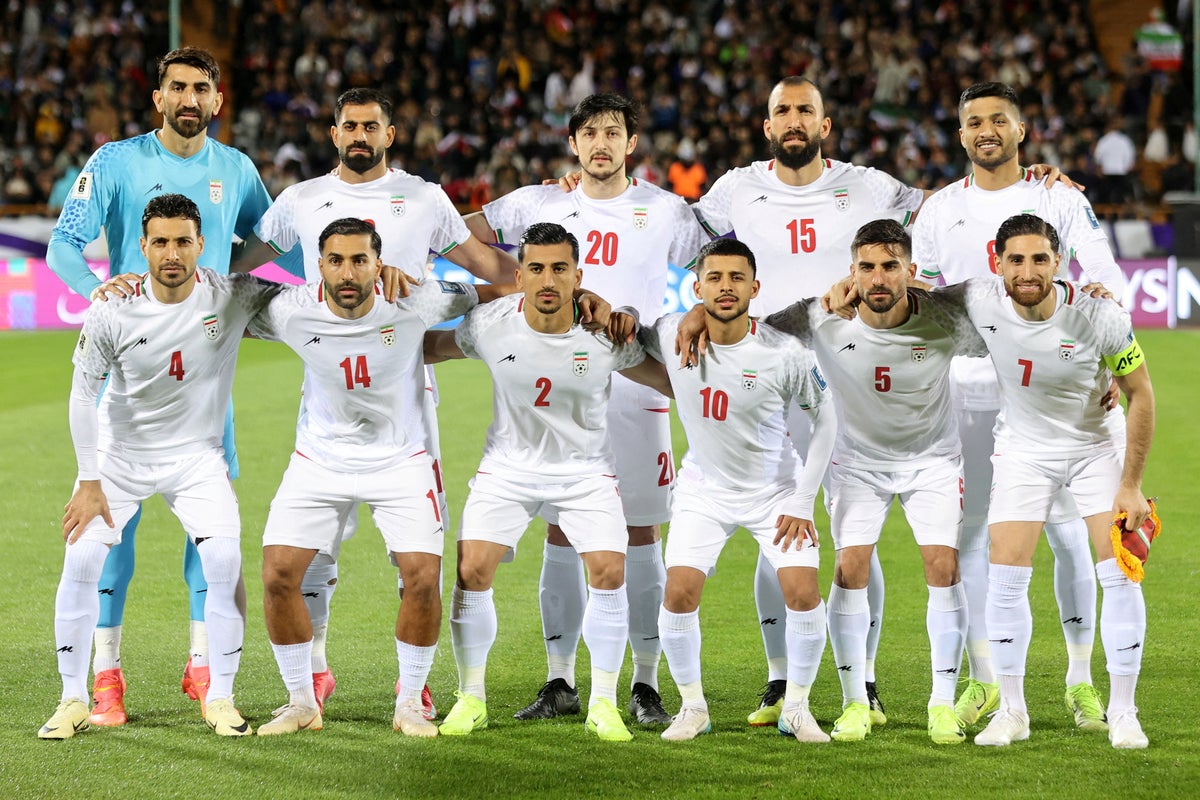
The World Cup is the biggest show on earth, and FIFA wants you to know that nothing—not even a geopolitical firestorm—is going to stop it. We've seen this movie before. Every few years, a massive cloud of controversy hangs over a host nation or a participant, and every single time, the suits in Zurich stick to the script. They’re doing it again. Despite the massive uncertainty surrounding Iran’s internal stability and the international calls for their removal, FIFA has doubled down. The tournament goes ahead as planned.
It’s not just about soccer anymore. It never really is. When you look at the pressure mounting from human rights groups and even some domestic athletes within Iran, the silence from football’s governing body is deafening. But if you’ve followed the money and the politics of global sports for more than five minutes, you know that FIFA values "certainty" and "neutrality" over almost everything else. They want the matches played, the sponsors happy, and the TV rights protected. For a closer look into similar topics, we suggest: this related article.
The wall of silence from Zurich
FIFA President Gianni Infantino has often talked about keeping football separate from politics. It’s a nice sentiment. It's also completely impossible in 2026. Right now, the Iranian national team is caught in a vice. On one side, you have a government that treats the team as a symbol of national strength. On the other, you have a protesting public—and some players—who want the world to see the reality of their struggle.
FIFA's official stance hasn't budged. They argue that the World Cup is a bridge-builder. They claim that kicking a team out or moving the schedule would set a dangerous precedent. But let’s be real. The "precedent" was set decades ago when Yugoslavia was booted from Euro 92. The difference here is the timing and the scale. Changing a 32-team (or now 48-team) bracket weeks or months before kickoff is a logistical nightmare that FIFA simply isn't willing to entertain. They’d rather weather a PR storm than a legal one with broadcasters. For broader background on this issue, in-depth coverage is available on Bleacher Report.
What the critics are actually asking for
It’s easy to say "ban Iran," but the reality is messier. Groups like Open Stadiums have been screaming for years about the treatment of female fans. More recently, the calls have shifted toward full suspension because of the crackdowns on protesters. These aren't just fringe activists. We're talking about legendary former players like Ali Daei and Ali Karimi, men who are gods in Iranian football, who have risked everything to speak out.
When these icons call for change, it carries weight. FIFA's refusal to act feels like a slap in the face to the very people who make the sport great. You can see the frustration in the fans. They’re torn between loving their team and hating the optics of the team representing a regime they’re fighting against. FIFA’s "business as usual" approach ignores this nuance entirely. They see a schedule. They see a group stage. They don't see the blood on the streets.
The logistical nightmare of a late change
Let's talk about why FIFA won't budge from a technical perspective. The World Cup is a massive machine. Every ticket sold, every hotel room booked, and every security detail planned is tied to the current match list. If Iran were to be replaced—say, by the next highest-ranked team from the qualifying path like the UAE or even a European side—the ripple effect would be chaotic.
- Visa processing: Thousands of fans would suddenly need different travel documents.
- Broadcasting slots: National TV networks in the replacing country would have to pivot their entire winter schedule.
- Security protocols: New risk assessments would be needed for every match involving a "replacement" team.
FIFA hates chaos. They prefer the predictable controversy of a regime they already know how to handle over the unpredictable mess of a last-minute swap. It’s cold. It’s calculated. It’s exactly how they operate. They’ve looked at the "uncertainty" in the region and decided that the risk of staying the course is lower than the risk of changing it.
Players in the crosshairs
You have to feel for the players. Imagine trying to focus on a tactical drill while your family is back home in a country where the internet is cut off and the streets are a war zone. We saw it in the last tournament when the Iranian players refused to sing the national anthem. That was a massive moment of bravery.
But FIFA’s insistence on "business as usual" puts these athletes in a terrible spot. If they play, they’re seen as puppets by some. If they don't, their careers are over and their safety is at risk. By refusing to take a hard line or offer any real flexibility, FIFA is basically leaving the players to fend for themselves in a political storm they didn't create.
The myth of the neutral sport
We need to stop pretending that football can be neutral. FIFA claims they are protecting the game, but by allowing the status quo to remain, they are taking a side. They are choosing the stability of their tournament over the human rights of the people in a member nation. It’s a choice they’ve made in Russia, in Qatar, and now with the ongoing situation in Iran.
If you’re waiting for a last-minute moral awakening from the FIFA Council, don't hold your breath. They have too much skin in the game. The contracts are signed. The stadiums are ready. The "uncertainty" that the headlines talk about is, for FIFA, just a variable to be managed, not a reason to stop the clock.
Why the tournament will look different anyway
Even if the schedule stays the same, the atmosphere won't. This isn't going to be a standard World Cup cycle. You should expect:
- Heightened protest activity: Fans in the stands will likely use their global platform to smuggle in banners and wear shirts that FIFA will try to ban.
- Player statements: Keep a close eye on the pre-match rituals. The silence or the gestures during the anthem will tell you more than any FIFA press release.
- Security crackdowns: Host cities will be on edge, trying to balance the "festive" atmosphere with the reality of potential political clashes outside the gates.
FIFA can insist the World Cup will proceed "as planned," but the "plan" never accounted for a soul-searching global movement. They can control the pitch, but they can't control the narrative. The matches will happen, the goals will be scored, and the trophy will be lifted. But the shadow over this particular participant isn't going away just because a whistle blows.
If you're following this, stop looking at the official FIFA newsroom for updates. They’ve already made their mind up. Instead, watch the player's social media feeds and the independent journalists on the ground. That’s where the real story is happening. The best thing you can do is stay informed about the specific players who are using their platform for more than just goal celebrations. Support the athletes, even if you can't support the organization they're forced to play under.