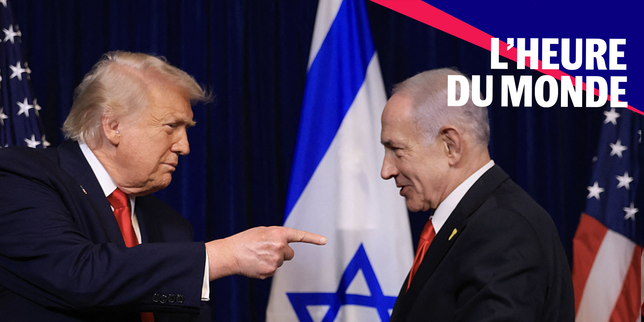
The media loves a binary. On one side, you have Donald Trump claiming a grand deal is just a phone call away. On the other, the Iranian regime performs its ritualistic "Death to America" choreography, insisting they won’t even pick up the receiver.
They are both lying.
The consensus view—that we are witnessing a deadlock between an impulsive deal-maker and a stubborn theocracy—is lazy. It ignores the cold, hard mechanics of geopolitical leverage. What we are actually seeing is a sophisticated high-stakes negotiation where "no" means "maybe" and "yes" means "I’m raising the price."
If you believe the headlines, you’re missing the signal for the noise.
The Myth of the Hardline Wall
Every time Tehran says they have "no intention to negotiate," a Western analyst gets their wings. But let’s look at the balance sheet. Iran’s economy isn't just "struggling"; it is suffocating under a regime of sanctions that has effectively decoupled it from the global banking system.
When the rial loses half its value in a fiscal quarter, the Supreme Leader doesn't pray for a miracle; he looks for an exit strategy that doesn't look like a surrender.
The "non-negotiable" stance is a tactical necessity. In the bazaar, the first person to show interest in the rug pays double. Tehran knows this. By publicly rejecting Trump, they are attempting to build "dignity equity"—a currency they can spend later to justify concessions to their own hardline base.
I’ve watched executives do this in hostile takeovers for decades. They scream from the rooftops that the company isn't for sale, right up until the wire transfer hits. Diplomacy is just a merger and acquisition with more flags and fewer spreadsheets.
Trump’s Art of the Inflated Lead
Trump’s claim that discussions are already happening is equally calculated. It’s a classic move: manufacture the perception of momentum to force the other party to the table. By signaling that a deal is imminent, he’s telling global markets to stay calm and telling Iranian moderates that there is a way out if they can just sideline the IRGC.
But here is the nuance the "orange man bad" or "MAGA" crowds both miss: Trump isn't looking for a treaty. He’s looking for a photo op that functions as a de facto ceasefire.
The 2015 JCPOA (the Iran Nuclear Deal) was a 159-page document of technical jargon and "sunset clauses." Trump hates 159-page documents. He wants a three-bullet-point memo that says "No nukes, no missiles, let’s trade."
The "lazy consensus" says Trump’s "Maximum Pressure" campaign failed because Iran hasn't collapsed. That’s a fundamental misunderstanding of the goal. The goal wasn't a regime change; it was a price hike. He’s made it so expensive for Iran to exist in its current state that the "cost of carry" for their nuclear program has become unsustainable.
The Invisible Backchannels
When a diplomat says "no talks are happening," they mean no official talks are happening.
In reality, the Swiss embassy in Tehran is the busiest building in the city. There are constant exchanges of "non-papers"—unsigned documents that allow both sides to propose radical ideas without the risk of public accountability.
- The Oman Route: For years, Muscat has served as the neutral ground where IRGC officials and State Department intermediaries grab coffee.
- The Intelligence Handshake: Spy agencies talk when politicians can't. They trade information on mutual threats (like ISIS-K) as a way to build a baseline of functional trust.
To suggest that two nuclear-adjacent powers with massive regional interests aren't talking is to suggest they are suicidal. They aren't. They are just protective of their brand.
The Misunderstood Nuclear Threshold
The biggest misconception in this entire saga is that the nuclear program is the end goal for Iran. It’s not. It’s a hedge.
Tehran knows that the moment they actually test a weapon, they lose their leverage. A "threshold state"—a country that could build a bomb in weeks but hasn't—is much more powerful than a country with a single, traceable warhead that invites an immediate Israeli or American kinetic response.
The negotiation isn't about stopping a bomb. It’s about the price of the capability. Iran is selling its potential to go nuclear, and they are trying to get the highest possible price in the form of sanctions relief and regional recognition.
Why the Status Quo is a Lie
We are told that the current tension is "unprecedented" and "dangerous." It’s actually the most stable the relationship has been in years because the boundaries are finally clear.
Trump has shown his cards: he will hit the economy but is hesitant to start a new ground war. Iran has shown theirs: they will harass shipping and use proxies, but they won't cross the red line that triggers a direct hit on Tehran.
This is a cold peace.
People ask: "Will they ever sign a deal?"
The answer is: "They don't need to."
A formal treaty requires Senate ratification in the U.S. and the blessing of the hardliners in Iran. Both are impossible. Instead, we are moving toward a "gray zone" agreement. A series of unwritten understandings where the U.S. looks the other way on certain oil exports, and Iran quietly slows down its centrifuges.
No signing ceremony. No handshakes. Just a mutual realization that bankruptcy is worse than compromise.
The Actionable Truth for the Rest of Us
If you’re an investor or a policy wonk, stop waiting for the "Big Deal." It’s not coming. Instead, watch the oil tankers.
When you see Iranian "ghost armadas" increasing their volume to China without a corresponding increase in U.S. seizures, you’re seeing the real negotiation in action. That is the sound of a deal being made in the dark.
The "experts" on cable news will continue to parse every tweet and every Friday prayer sermon. Let them. While they argue about "intentions" and "insults," the real players are calculating the exact dollar value of a percentage point of uranium enrichment.
Stop listening to what they say. Start watching what they trade.
Logically, if Iran truly had "no intention to negotiate," they wouldn't bother announcing it. You don't tell the world you're ignoring someone; you just ignore them. The very act of stating a refusal is a broadcast of availability.
The door isn't locked; they're just waiting for a better offer to walk through it.
Would you like me to analyze the specific economic data points of the "Gray Zone" oil trades to show how this leverage is being applied right now?