Donald Trump has effectively declared the Persian Gulf a closed shop. On Sunday, following the high-profile collapse of peace negotiations in Islamabad, the President announced a full naval blockade of the Strait of Hormuz. The order is sweeping. It targets not just Iranian military assets, but any commercial vessel that has paid a "toll" to Tehran for safe passage through the world’s most critical energy chokepoint.
The directive, issued via Truth Social and later confirmed by the Pentagon, turns a maritime shortcut into a high-stakes standoff. "Effective immediately, the United States Navy... will begin the process of blockading any and all ships trying to enter or leave the Strait," Trump stated. He specifically took aim at the makeshift revenue stream Iran established after closing the waterway in March, warning that vessels paying for Iranian "protection" will be interdicted in international waters.
The Islamabad Collapse
The pivot to a blockade was born from the wreckage of a 21-hour diplomatic marathon in Pakistan. Vice President JD Vance had been dispatched to secure an end to the six-week-old war, but the talks hit a wall over three non-negotiable American demands: the total dismantling of Iranian enrichment facilities, the handover of highly enriched uranium, and the unconditional reopening of the Strait.
Tehran didn't blink. Iranian negotiators, led by Foreign Minister Abbas Araghchi, refused to abandon their nuclear program or their newly claimed authority over the waterway. For the Trump administration, the "toll" system—whereby Iran allowed a trickle of shipping in exchange for hard currency—was the final insult. It was a monetization of piracy that Washington decided could no longer be tolerated.
The Mechanics of a Modern Blockade
Enforcing a blockade in the narrowest neck of the Persian Gulf is a logistical nightmare masquerading as a tactical necessity. The Strait is only 21 miles wide at its narrowest point, with shipping lanes just two miles wide in either direction. For the US Navy, this is not a traditional "line in the sand" but a fluid, dangerous game of cat and mouse against an enemy that excels in asymmetric warfare.
To make this stick, the Navy is deploying more than just destroyers. Sources indicate the "clearance effort" will involve a massive surge of underwater drones and unmanned surface vessels designed to neutralize the sea mines Iran has sown like seeds since February. The "how" is a two-pronged strategy:
- Interdiction: Identifying and boarding commercial tankers suspected of paying Iranian tolls.
- Neutralization: Using targeted strikes to suppress the coastal missile batteries and "swarm" boats Iran uses to harass traffic.
The risk is immediate. By vowing to "blow to hell" any Iranian force that fires upon peaceful vessels, Trump has removed the buffer of "proportional response."
The Economic Toll Road
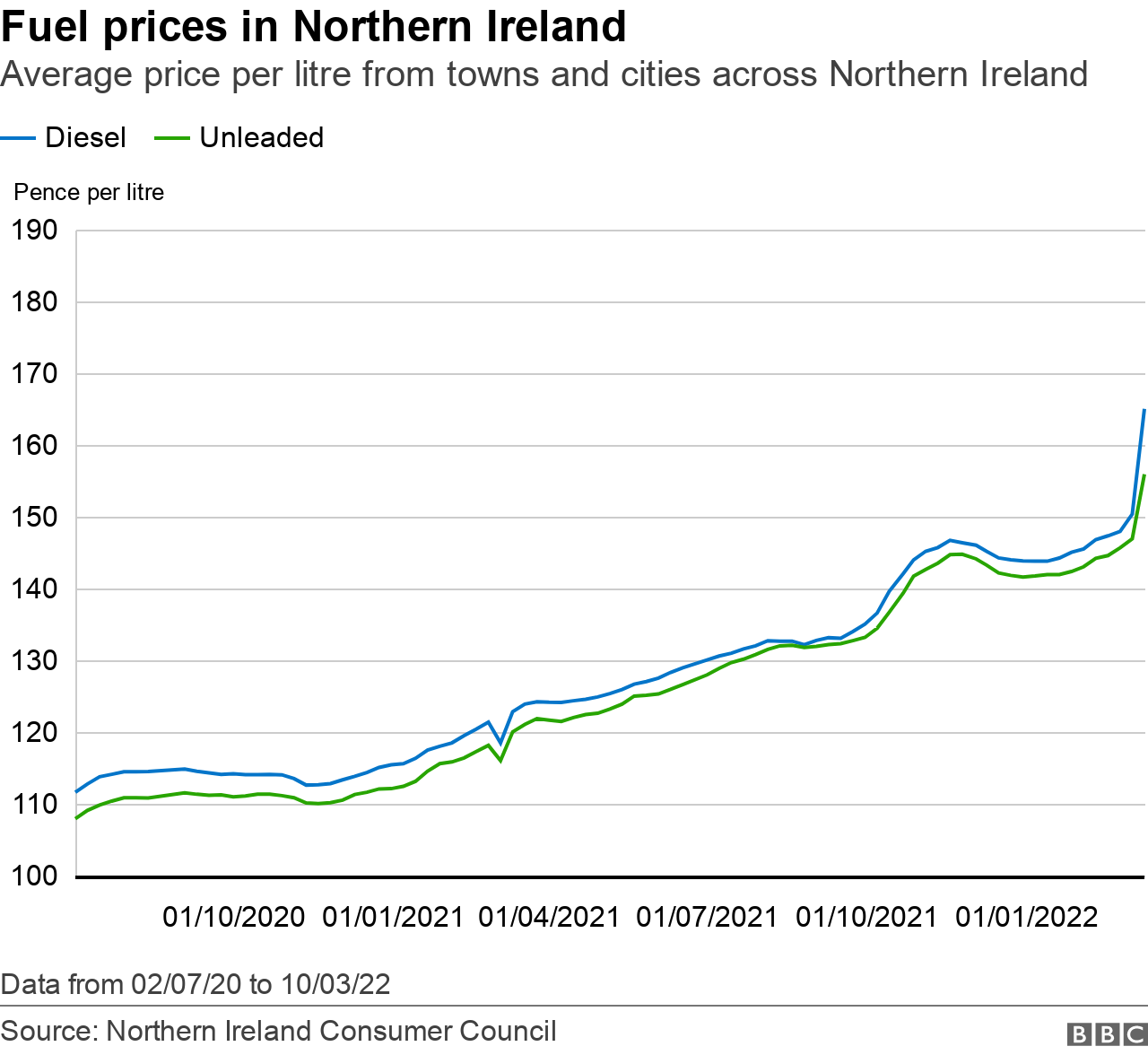
The real "why" behind this escalation is the systemic collapse of the Gulf’s economic model. Since the war began on February 28, the world has lost access to 20% of its global oil supply and a massive chunk of its liquefied natural gas (LNG). Brent crude has already shredded the $120 per barrel mark, and the closure of Qatari facilities has paralyzed global fertilizer production.
Iran’s strategy was simple: hold the global economy hostage to force a lifting of sanctions. By charging a toll, they were attempting to fund their war effort while keeping the pressure on the West. Trump’s blockade is an attempt to break that leverage by making the "toll road" impassable for everyone. If Iran cannot profit from the Strait, the administration gambles that Tehran will eventually run out of the cash needed to sustain its regional proxies.
The Asian Vulnerability
While Washington and Tehran trade threats, the true casualty of this blockade sits in the East. Approximately 75% of the oil and 60% of the LNG that normally passes through the Strait is destined for Asia—specifically China, India, Japan, and South Korea.
For Beijing, a US blockade is a double-edged sword. It stops the flow of energy it desperately needs, but it also demonstrates a level of American maritime control that China has spent decades trying to circumvent. India is already feeling the bite; the "Fertilizer-LNG Paradox" has caused a 35% spike in agricultural costs just as the Kharif sowing season begins. If the US Navy holds the line, the diplomatic pressure on Trump will likely come as much from his allies in New Delhi and Tokyo as from his adversaries in Tehran.
The Red Line in the Water
The move shifts the burden of escalation back to Iran’s new Supreme Leader, Mojtaba Khamenei. For weeks, Iran has enjoyed the upper hand in the "tanker war," using its proximity to the Strait to dictate terms. A full US blockade changes the math. It forces the Iranian Revolutionary Guard Corps (IRGC) to either accept a total loss of maritime revenue or engage the US Navy in a direct, conventional conflict they are unlikely to win.
The US Navy has spent decades preparing for this specific scenario, but the introduction of advanced drone technology and ballistic anti-ship missiles makes the 2026 version far deadlier than the "Praying Mantis" operations of the 1980s. There is no room for error. A single miscalculation by a destroyer commander or an IRGC speedboat pilot could turn a blockade into a general regional war.
Trump’s gamble is that the threat of total destruction will force Iran back to the table with a weaker hand. But in the Strait of Hormuz, the distance between "maximum pressure" and "total war" is only a few miles of water.
Stop the money, or stop the ships. The White House has decided it will do both, regardless of the cost to the global energy market. The era of "Just-in-Time" energy is over, replaced by a "Just-if-Possible" reality where the US Navy acts as the ultimate arbiter of who gets to fuel their economy and at what price.