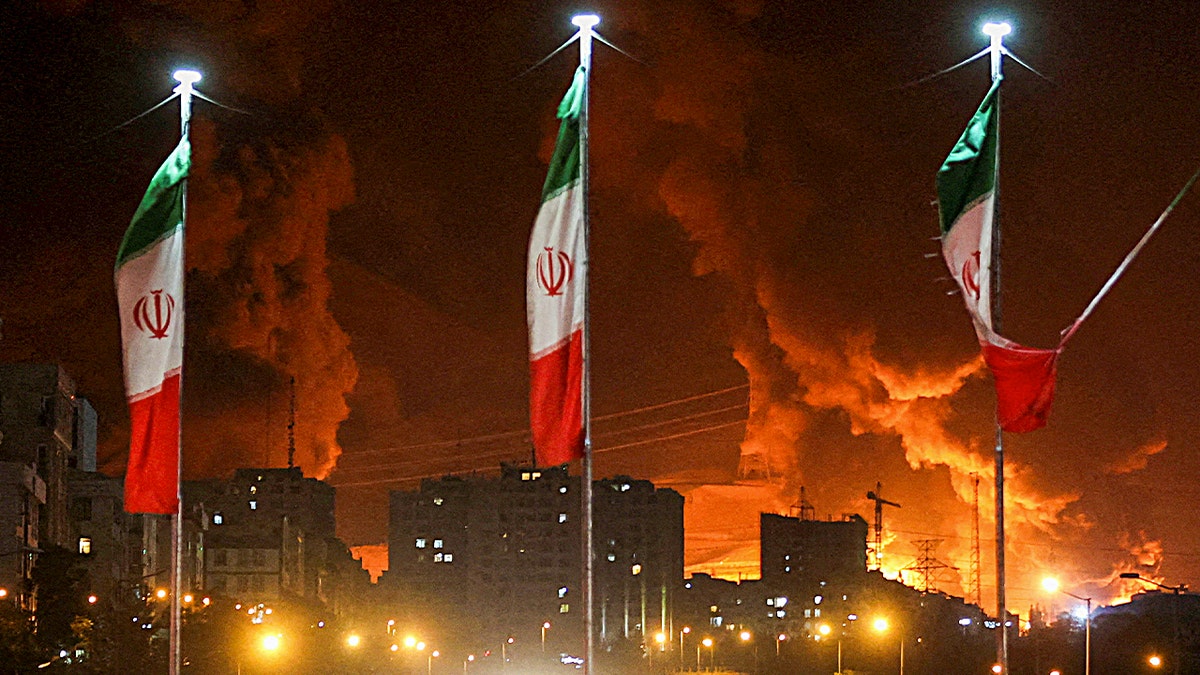
The current conflict in the Middle East has moved past the stage of simple border skirmishes. It is now a full-scale regional war that has decapitated the Iranian leadership and pushed global energy markets to the edge of a breakdown. While headlines focus on the visual of missiles over Tel Aviv or smoke rising from Tehran, the structural reality is far more grim. The United States and Israel are currently engaged in a high-stakes military campaign—dubbed Operation Epic Fury by Washington—that has already claimed the life of Supreme Leader Ali Khamenei and systematically dismantled the Iranian command structure.
Despite this tactical dominance, the strategy is hitting a brick wall in the form of a closed Strait of Hormuz and a defiant, if fractured, Iranian diplomatic front.
The Mirage of Diplomacy
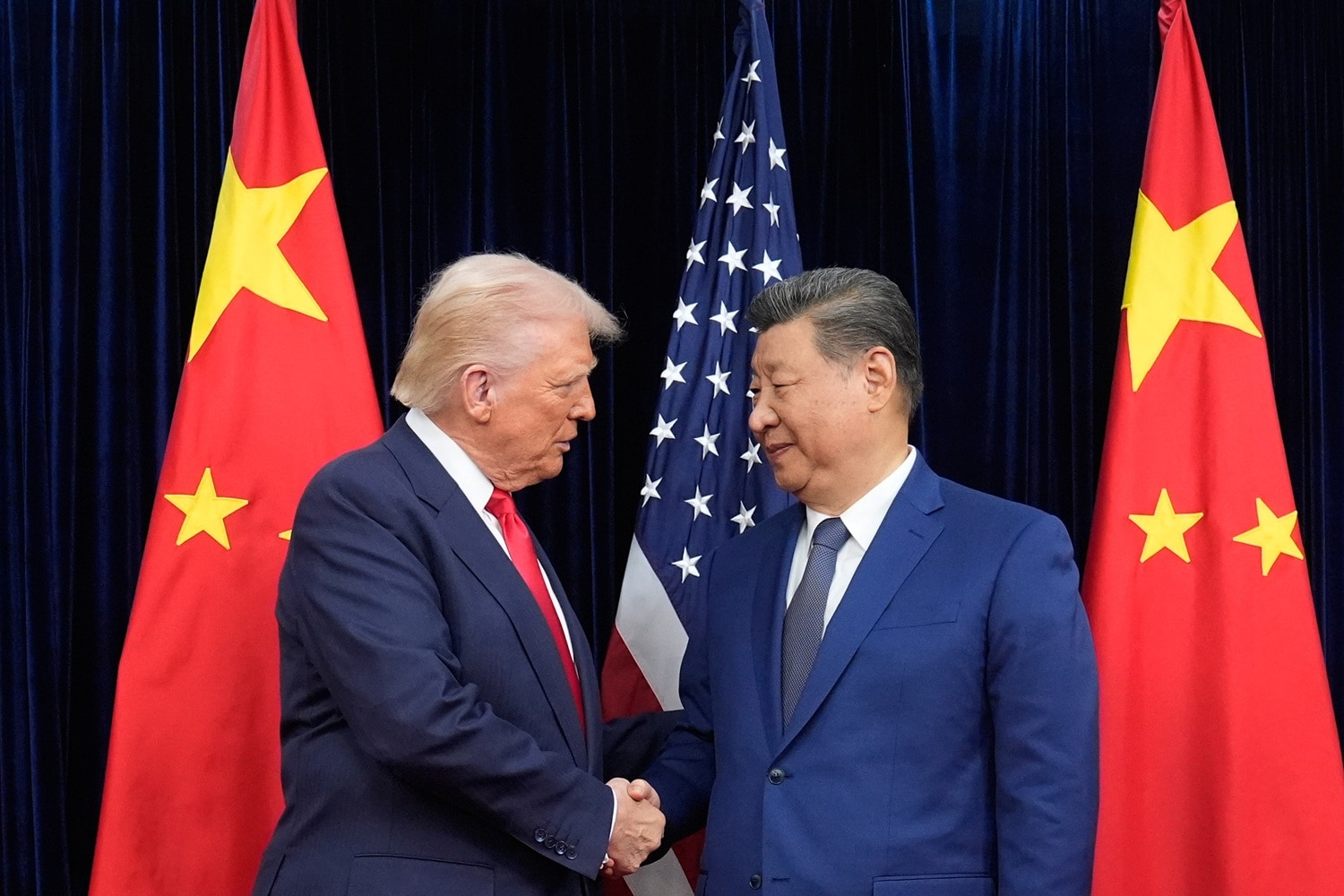
President Donald Trump recently asserted that negotiations with the "right people" in Iran are progressing. The White House even floated a 15-point peace proposal via Pakistani intermediaries, demanding the total dismantling of Iran’s nuclear program and an end to its ballistic missile development. It sounds like a path to de-escalation. It is not.
The reality on the ground in Tehran suggests there is no one left with the authority—or the suicidal impulse—to sign such a document. Foreign Minister Abbas Araghchi has publicly dismissed the notion of talks, labeling the U.S. overtures as an attempt to "negotiate with themselves." This isn't just posturing. For the remaining Iranian leadership, entering into a deal while their capital is being bombarded is seen as a formal surrender.
- The Power Vacuum: With Khamenei dead and pragmatic figures like Ali Larijani killed in subsequent strikes, the "Axis of Resistance" is being managed by a secondary tier of IRGC commanders who view resistance as their only survival mechanism.
- The 15-Point Wall: The U.S. demands are maximalist. They require Iran to hand over its entire enriched uranium stockpile and cease all regional influence. For a regime built on the ideology of revolutionary defiance, these aren't talking points; they are terms of dissolution.
The Economic Siege of the Strait
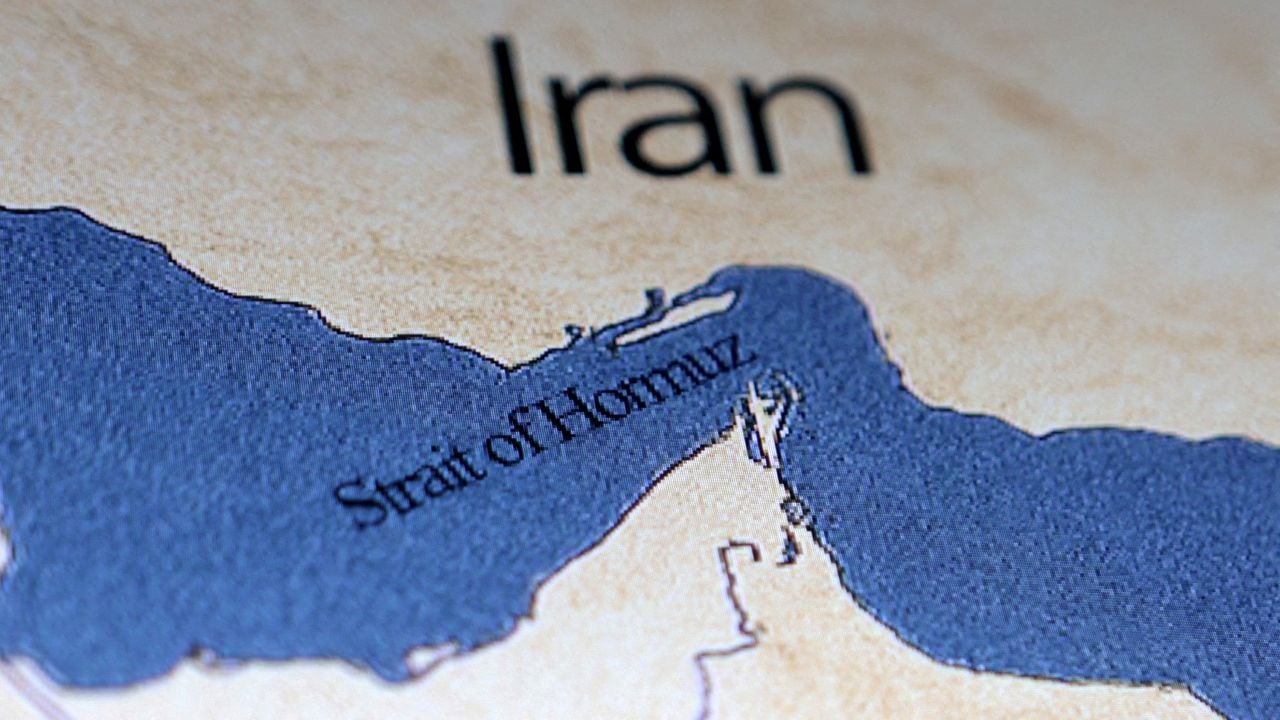
While the air war rages, the true battle is being fought in the narrow waters of the Strait of Hormuz. Iran has successfully managed to close the world's most vital energy choke point to its "enemies." This has sent global oil and gas prices into a tailspin, with rationing already reported across parts of Asia.
Tehran’s strategy is simple: horizontal escalation. They have expanded the conflict into the economic realm, betting that the West’s stomach for a long-term energy crisis will fail before their military does. This isn't just about Iranian oil; it's about the 20% of global supply that transits these waters.
By allowing "friendly" nations like China, Russia, and India to pass while blocking U.S. and Israeli-linked vessels, Iran is attempting to split the international community. It is a calculated gamble to see if the global market can withstand a fractured energy supply.
The Human and Material Toll
The damage is not just measured in barrels of oil. Since the initial strikes on February 28, the IDF and U.S. CENTCOM have hit over 85,000 civilian and military sites across Iran. This includes:
- Industrial Infrastructure: Massive production sites for naval cruise missiles in Tehran and defense optics companies in Isfahan have been leveled.
- Nuclear Facilities: Reports suggest an area within the Bushehr nuclear facility complex was struck, a move that the International Atomic Energy Agency (IAEA) warns is "playing roulette with civilian lives."
- Command and Control: The assassination of top officials has not led to the swift regime change some in Washington predicted. Instead, it has created a decentralized, unpredictable military response.
The Lebanon Front and the Ground Invasion
In Lebanon, the situation has turned from a cross-border exchange into a full-scale Israeli ground offensive. All five bridges over the Litani River have been destroyed, effectively cutting off southern Lebanon. The Israeli Defense Forces (IDF) have signaled their intent to control everything up to the river, displacing over a million Lebanese civilians in the process.
This is no longer a "contained" operation. It is a fundamental redrawing of the regional map. Hezbollah's response has been a relentless wave of ballistic missile attacks on Tel Aviv and central Israel, testing the Iron Dome's 92% interception rate to its absolute limit.
The Strategy of Resistance
Iran's military command, now under the shadow of the newly appointed Mojtaba Khamenei, is following a doctrine of sustained pressure. They aren't trying to win a dogfight or a naval battle they cannot possibly win. They are trying to outlast the political willpower of their attackers.
They believe that as long as the Strait of Hormuz remains contested and the cost of the war continues to climb—with the U.S. already reporting losses of over $800 million in regional assets—the pressure will eventually shift from Tehran to the White House.
The conflict has reached a point where both sides have invested too much to simply walk away. Washington and Jerusalem have committed to the total destruction of the Iranian threat, while Tehran has committed to a war of attrition. There are no easy exits from this level of escalation.
The question is whether the global economy can survive the time it takes for one side to finally break. Would you like me to analyze the specific economic impact of the Strait of Hormuz closure on the Asian energy markets?