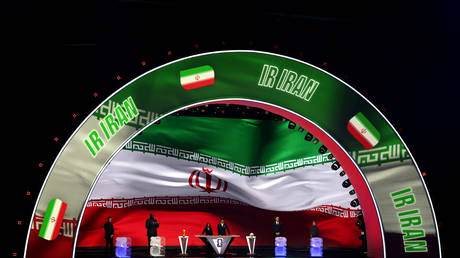
The 2026 World Cup was supposed to be a celebration of North American unity. Instead, it’s turning into a massive geopolitical headache. You’ve probably seen the headlines about Iran’s football chief, Mehdi Taj, making a bold claim: "We will boycott the United States, but not the World Cup." If that sounds like a contradiction, that’s because it is. You can’t exactly play a tournament hosted primarily in the U.S. while refusing to set foot on American soil.
This isn’t just some empty threat or typical pre-tournament bluster. It’s a high-stakes game of chicken between Tehran, Washington, and FIFA. Iran has already qualified. Their bags are basically packed. But as of March 20, 2026, the team is training in Turkey while their leadership insists they won't travel to their scheduled matches in Los Angeles and Seattle. Meanwhile, you can find other stories here: High School Baseball Power Dynamics and the Quantification of Prep Performance.
The Impossible Logistics of a Half Boycott
Iran finds itself in Group G alongside Belgium, Egypt, and New Zealand. Under the current schedule, all three of their opening matches are set for U.S. venues.
- June 16: vs New Zealand in Inglewood (SoFi Stadium)
- June 21: vs Belgium in Inglewood
- June 26: vs Egypt in Seattle
Mehdi Taj is essentially asking FIFA to move these games to Mexico. Why Mexico? Because Mexico City doesn't have a direct military conflict with Iran, and President Claudia Sheinbaum has already hinted that her country is open to hosting them. Honestly, it’s a smart move by Iran to shift the pressure. By saying they want to play but "can't" because of safety, they’re trying to force FIFA’s hand. To see the complete picture, check out the detailed analysis by Yahoo Sports.
But here’s the reality: FIFA hates changing schedules. Moving three major matches less than three months before kickoff is a logistical nightmare involving thousands of tickets, security details, and broadcast contracts. Gianni Infantino has already stated he expects everyone to show up where they're told.
Why Safety is the Scariest Word in Sports
The tension isn't just about old grudges. It’s about 2026 reality. Following the military strikes in February and the assassination of Iranian leaders, the rhetoric has reached a boiling point. Donald Trump didn’t exactly help things when he suggested the Iranian players' "life and safety" couldn't be guaranteed on American soil.
When a host nation's president says he can't protect the athletes, that’s a massive red flag. Taj, a former member of the Revolutionary Guard, is using those exact words as his primary leverage. He’s basically saying, "Your own president says we aren't safe, so why would we come?"
It puts FIFA in a corner. If they force Iran to play in the U.S. and something happens, it's a catastrophe. If they move the games to Mexico, they look weak and set a precedent that politics can dictate tournament venues at the last minute.
The Human Element Nobody is Talking About
While the suits in Tehran and D.C. argue, the players are stuck in the middle. We saw what happened with the Iranian women’s team in Australia earlier this month—vandalism, harassment, and players seeking asylum. There’s a genuine fear among the men's squad about what awaits them in California.
Then there’s the "replacement" rumor. If Iran actually pulls out, FIFA has a backup plan. Rumors suggest the UAE or Iraq could be drafted in as a replacement. But imagine being the team that gets the call-up three weeks before the World Cup. You haven't trained, you haven't scouted, and you’re essentially a political placeholder. It ruins the integrity of the competition.
Stop Thinking This is Just About Visas
Most people think this is a simple travel ban issue. It’s not. It’s about who owns the narrative.
- Iran's Strategy: They want to participate to show national strength but refuse the U.S. trip to maintain their domestic political stance.
- The U.S. Stance: They want the tournament to run smoothly but won't offer the specific, high-level security guarantees Iran is demanding.
- The Mexico Factor: Mexico is the "safety valve." They get to look like the neutral peacekeepers while potentially snagging a few more high-revenue matches.
If you’re a fan holding tickets for the games in Inglewood or Seattle, you should be worried. There’s a very real chance those matches either don't happen or feature a completely different team.
What Actually Happens Next
Don't expect a resolution today. This kind of brinkmanship usually lasts until the very last second. Iran will keep training in Turkey and playing friendlies against teams like Nigeria and Costa Rica. They’ll keep the "boycott America" rhetoric loud to satisfy folks back home.
Meanwhile, FIFA will keep insisting the schedule is "fixed" while secretly scouting hotels in Mexico City just in case. The most likely outcome? A last-minute "security compromise" where the U.S. provides an unprecedented level of protection, or a partial move of at least one match to save face for both sides.
If you're following this, keep an eye on the training camp in Antalya. If the Iranian team doesn't board a plane for the Americas by early June, Group G is going to be a total mess. This isn't just football; it's a cold war played out on a grass pitch.
You should check the official FIFA ticketing portal for "venue contingency" updates if you're planning to attend Group G matches. The situation is moving fast, and what's true on Friday might be irrelevant by Monday.