The headlines say Lebanon is on the brink, but if you've been watching the border for the last few years, you know the "brink" was crossed a long time ago. What we're seeing in March 2026 isn't just another flare-up. It's a fundamental shift in the Middle East's power balance. After the failed ceasefire of late 2024, the region has slid into a high-intensity war that looks less like the skirmishes of 2006 and much more like the total destruction seen in Gaza.
If you're trying to make sense of why Beirut is under fire again or why Israeli tanks are pushing past the Blue Line, you have to look past the daily casualty counts. This is about a "new security doctrine" that doesn't care about the old rules of engagement.
The Ceasefire That Never Was
Let's be real: the November 2024 ceasefire was a paper-thin band-aid. It was designed to give both sides a breather, but it failed because neither side actually stopped. UNIFIL, the UN peacekeeping force, recorded over 10,000 Israeli violations of Lebanese airspace and 1,400 military activities inside Lebanon while the "truce" was technically active.
Hezbollah didn't exactly sit on its hands either. They used that time to move back into the south, rebuild tunnels, and wait for the right moment. That moment came on March 2, 2026. Following the massive strikes on Iran and the assassination of Supreme Leader Ali Khamenei, Hezbollah didn't just fire a few symbolic rockets. They launched a full-scale assault on Israeli bases like Ramat David and Meron.
Israel’s response? They didn't just strike back; they initiated what many analysts call "The Gaza Model."
What the Gaza Model Means for Lebanon
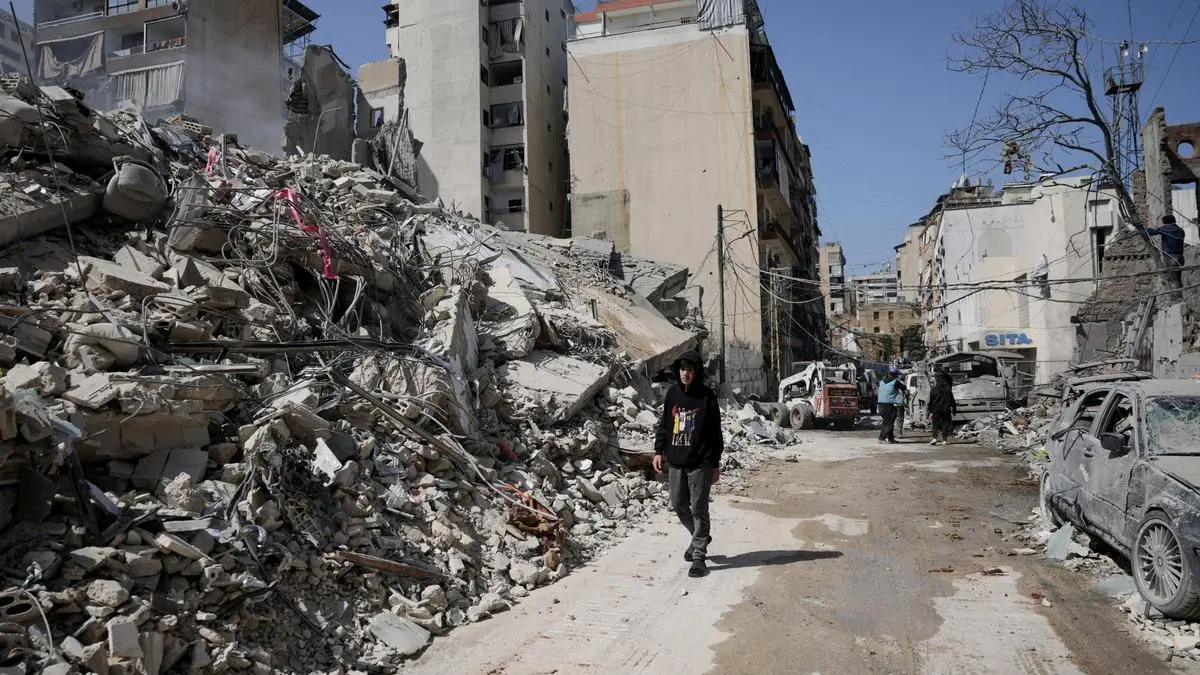
When Israeli officials like Israel Katz talk about "destroying terror infrastructure," they aren't just talking about hitting missile launchers. They’re talking about a scorched-earth policy in southern Lebanon. The goal is to create a "dead zone" between the Litani River and the Israeli border—about 10% of Lebanon’s entire landmass.
- Massive Displacement: Over one million Lebanese—nearly 20% of the population—are now homeless.
- Infrastructure Targeting: Bridges, roads, and even healthcare centers are being leveled to ensure Hezbollah has nowhere to hide.
- Buffer Zones: Israel is effectively trying to move its "northern border" 30 kilometers deep into Lebanese territory.
This isn't just about security anymore. It's about a complete refusal to let the Shia population of the south return until Hezbollah is effectively dissolved. It's a high-stakes gamble that assumes military pressure can force a political surrender.
Hezbollah's Long Game
You might wonder why Hezbollah keeps fighting when their leadership, including the legendary Hassan Nasrallah and his successors, has been decimated. The answer lies in their structure. Hezbollah isn't just a militia; it's a social and political fabric deeply embedded in the Lebanese Shia community.
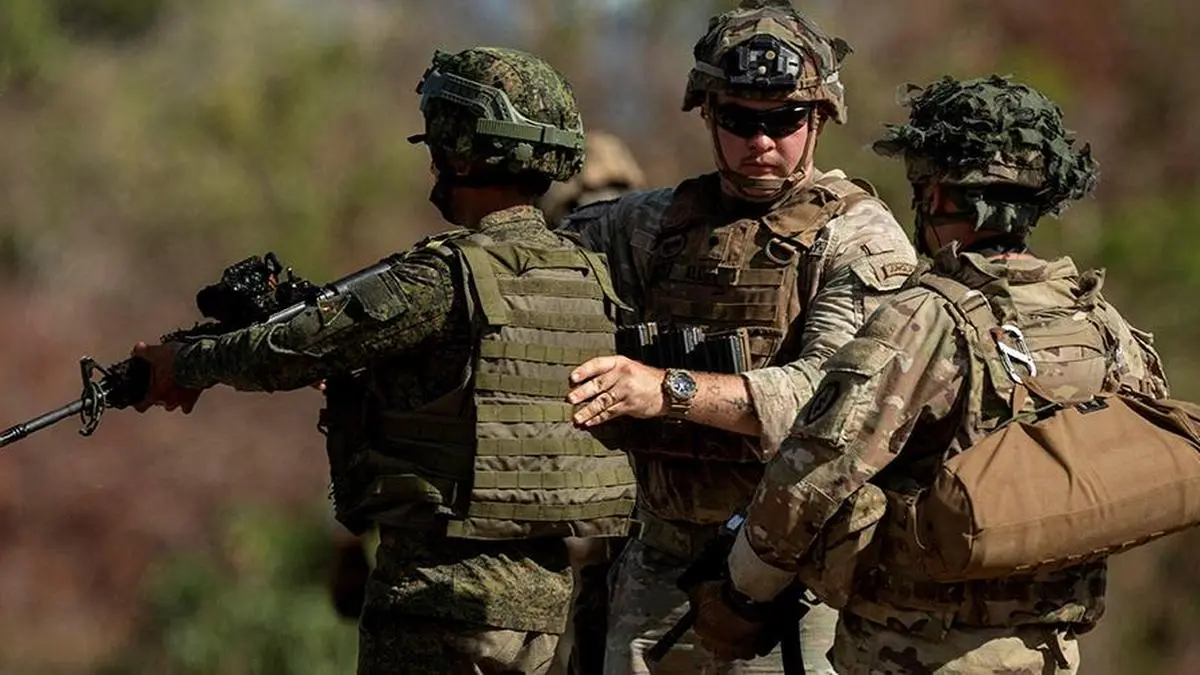
New Secretary-General Naim Qassem has been blunt: they've learned from the 2024 incursions. They want the Israeli army to come across the border. In the mountains and valleys of South Lebanon, Hezbollah's "fighters" have the home-field advantage. They use a "forward defense" strategy, utilizing a massive network of tunnels and anti-tank units that make any ground occupation a nightmare for the IDF.
For Hezbollah, this is an existential war. If they stop, they lose their reason for existing. If they keep fighting, even if Lebanon is destroyed in the process, they maintain their "Resistance" credentials.
The Invisible Players
You can't talk about Lebanon without talking about Iran and the United States. This 2026 escalation is a direct byproduct of the "Operation Epic Fury"—the joint US-Israeli campaign against Iran's nuclear and missile programs.
- Iran: With its leadership in chaos after Khamenei’s death, the "Axis of Resistance" is acting out of a mix of desperation and ideological reflex.
- The US: Washington is currently providing the diplomatic cover and military hardware (like the JDAM kits hitting Beirut) that allow Israel to ignore international calls for restraint.
- Lebanese State: The actual Lebanese government is basically a ghost. They’ve banned Hezbollah’s military activities on paper, but they have zero power to enforce it. The Lebanese Army is stuck in the middle, trying not to collapse into a civil war while foreign powers treat their country like a chessboard.
The Economic Death Spiral
Lebanon was already a failed state before the bombs started falling. The Lebanese pound has lost 98% of its value since 2019. Now, with the war, the World Bank estimates physical damages at nearly $7 billion, with economic losses doubling that.
Food insecurity is hitting "Phase 4" (Emergency) levels. When you see 97% of children in certain areas living in food poverty, you realize the conflict isn't just about rockets. It's about the slow-motion starvation of a nation.
How to Stay Informed and Safe
If you're following this conflict, stop looking for "victory" or "defeat." Those terms don't apply here. This is a war of attrition where the "winner" is just the one who collapses last.
- Watch the Litani River: This is the red line. If Israel establishes a permanent presence there, expect a multi-decade occupation.
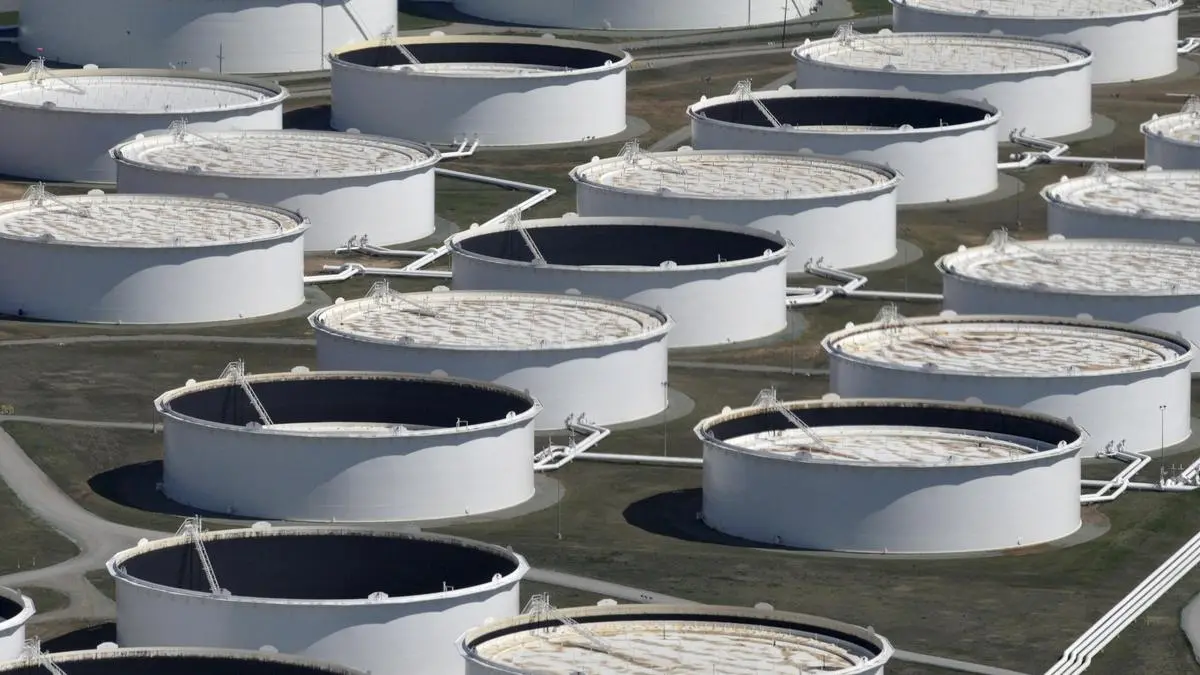
- Monitor Energy Markets: The conflict near the Strait of Hormuz has sent Brent crude over $100. Your gas prices are directly tied to the drones flying over Beirut.
- Follow UNIFIL Reports: They are the only objective eyes on the ground, even if they're currently being sidelined by both combatants.
The reality is that Lebanon is being hollowed out. Whether it's the "Dahiyeh Doctrine" flattening neighborhoods or Hezbollah's refusal to disarm, the civilians in the middle are the ones paying the price for a regional war they never asked for.
Check the latest maps from OCHA (UN Office for the Coordination of Humanitarian Affairs) to see which "safe zones" are actually safe. Don't rely on social media rhetoric from either side; look at where the ground forces are moving to understand the next phase of the occupation.