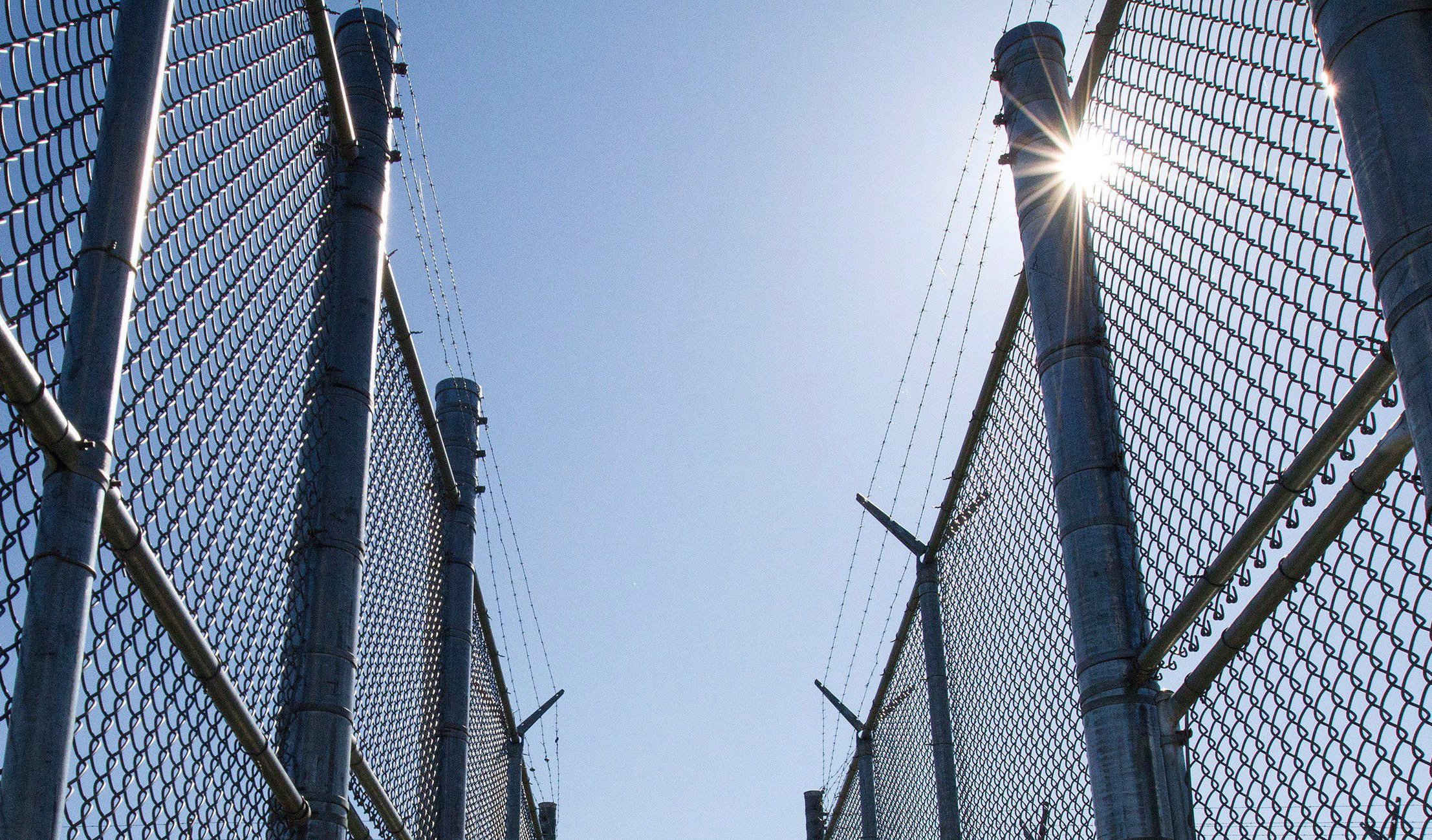
Ontario’s jails aren't just full. They’re bursting. If you think 100% capacity sounds like a limit, the provincial government has a different math. Right now, Ontario correctional facilities are operating at roughly 130% capacity on average. In some specific spots, it’s even worse. We’re talking about three people crammed into a cell built for one. We're talking about people sleeping on floors in "dry cells" or common rooms. It’s a pressure cooker that has been boiling over for years, and the lid is about to fly off.
You might wonder why you should care about the living conditions of people behind bars. Most people don’t. But you should care about the bill. You should care about the safety of the guards who live in your neighborhood. And you should definitely care about the fact that 80% of these people haven't even been convicted of a crime yet. They're waiting for a day in court that keeps getting pushed back. This isn't just a "tough on crime" success story. It's a massive systemic failure that’s burning through tax dollars and making our streets less safe by the time these people eventually walk out.
The Brutal Reality Of 130 Percent Capacity
When we say a jail is at 130% capacity, it doesn't mean it's just a bit crowded. It means the facility is fundamentally broken. Think about the plumbing. Think about the kitchens. These buildings were engineered for a specific number of souls. When you shove a third more people into that space, everything breaks. According to recent data from the Ministry of the Solicitor General, several institutions across the province have hit levels that would be considered human rights violations in almost any other context.
The South West Detention Centre and the Elgin-Middlesex Detention Centre have become infamous for this. It isn't just about "comfort." It’s about violence. When you put three grown men in a tiny room for 23 hours a day because there isn't enough staff to let them out, they fight. It’s basic psychology. Tensions flare over nothing. A spilled cup of water becomes a riot. Staff are quitting in droves because they’re tired of being human shields in a warehouse that was never meant to hold this many bodies.
The provincial government keeps promising to build more beds. They’ve announced expansions in places like Thunder Bay and Brockville. But here’s the thing. You can’t build your way out of this. If the courts keep dumping people into the system faster than you can pour concrete, the math never works.
Why The Remand System Is Ruining Everything
The biggest misconception about Ontario’s jail crisis is that it's full of "criminals." Technically, most of them aren't. Most people sitting in provincial jails are on remand. That’s legalese for "waiting for trial." They haven't been sentenced. They’re presumed innocent under the law. Yet, they sit in conditions far worse than those in federal penitentiaries where people serve actual sentences.
Why is this happening? It’s a mix of a slow-motion court system and a massive shift in how we handle bail. For years, the "ladder principle" was the gold standard—you start with the least restrictive release and move up. Now, it feels like the default is "lock them up and figure it out later." We’re seeing people held for weeks on minor charges because they don’t have a "surety" or a stable home to go to. Basically, we’re jailing people for being poor or having mental health struggles.
- Court delays: Cases that used to take months now take years.
- Bail reform blowback: Political pressure to keep people behind bars has backfired into a logistical nightmare.
- Lack of community housing: If a judge can't send someone to a halfway house, they often send them to jail by default.
It’s a cycle. You take someone who has a job and a small apartment, you throw them in a 130% capacity jail for three months while they wait for a trial, and by the time they get out, they’ve lost everything. Now they’re actually more likely to commit a crime. We’re literally manufacturing recidivism.
The Staffing Crisis Nobody Is Talking About
You can't run a jail without guards. Well, you can't run one safely, anyway. Ontario's correctional officers are reaching a breaking point. When a facility is at 130%, the ratio of inmates to officers becomes dangerous. It’s not just about the risk of an assault. It’s the mental toll.
Post-traumatic stress disorder (PTSD) among Ontario correctional workers is through the roof. They’re working forced overtime. They’re seeing things nobody should see. When the jails are over capacity, the first thing that goes is "programming." No more library time. No more exercise. No more rehab programs. Why? Because there aren't enough guards to escort people to those rooms safely.
So, you have thousands of people sitting in dark cells doing absolutely nothing but stewing in anger. Then we expect them to come out and be "rehabilitated." It’s a joke. Honestly, it’s a dangerous joke. The OPSEU (Ontario Public Service Employees Union) has been ringing this bell for a decade, but the response from the province is usually just another press release about "investing in infrastructure." Concrete doesn't solve a staffing crisis.
Money Down The Drain
Let’s talk about your wallet. It costs roughly $250 to $300 a day to keep one person in a provincial jail. That’s nearly $100,000 a year. When we’re operating at 130% capacity, the costs don't just go up linearly. They explode. You have higher medical costs because diseases spread faster in cramped spaces. You have massive legal payouts from lawsuits regarding jail conditions. You have soaring overtime bills for the staff that haven't quit yet.
Compare that to the cost of intensive community supervision or mental health support. It’s a fraction of the price. But the political optics of "rehabilitation" aren't as sexy as "locking people up." So, we keep paying the "jail tax." We’re funding a system that fails to fix the people inside and fails to keep the people outside safe in the long run.
What We Actually Need To Do
If we want to fix this, we have to stop looking at jails as the "everything bucket" for society’s problems.
- Fix the Bail System: We need to move away from the idea that everyone needs to be locked up while waiting for a trial. If they aren't a flight risk or a direct threat to the public, they should be in the community with supervision.
- Invest in Mental Health: Jails have become our de facto psychiatric hospitals. That’s insane. It’s expensive and it doesn't work.
- Speed Up the Courts: Justice delayed is justice denied—and in this case, it’s also an overcrowded jail cell. We need more judges, more crown prosecutors, and more resources to move cases through the system.
- Support Correctional Staff: Real raises, better benefits, and actual mental health support for the people working the floors.
Stop thinking about this as a problem for "those people" behind bars. The overcrowding in Ontario’s correctional facilities is a reflection of a broken social contract. It’s a waste of money and a hazard to public safety. We’re currently paying a premium for a system that’s designed to fail. It’s time to demand a smarter approach before the 130% becomes 150% and the whole thing collapses.
If you want to see change, start asking your local MPP about bail beds and mental health funding, not just how many new jail cells they're building. The concrete won't save us.