The ink on a ceasefire proposal is always the coldest thing in the room. It sits there, white and sterile, while the air outside is thick with the smell of jet fuel and the static of impending radar locks. In Washington, these documents are treated like masterpieces of diplomacy, polished by career officials who believe that the right combination of "whereas" and "hereby" can stop a missile mid-flight. But in the crowded corridors of Tehran and the bunkers of Tel Aviv, those same papers are viewed as something else entirely.
They are viewed as a clock.
For the families in Haifa watching the northern horizon, or the shopkeepers in Isfahan glancing nervously at the sky, the news that Iran has officially dismissed the latest U.S.-led ceasefire plan isn’t just a headline. It is a physical weight. It is the sound of a door slamming shut.
The core of the dispute isn't about geography or even specific borders. It is about a fundamental misalignment of reality. The United States presented a framework designed to de-escalate, a "cooling off" period that would theoretically allow both sides to step back from the ledge. It was a Western solution to an Eastern existential crisis. Iran’s response was not just a rejection; it was a counter-proposal that effectively rewrote the script, demanding concessions that the current Israeli government views as a blueprint for its own erasure.
The Architect and the Aviator
To understand why these two sides can’t even agree on the shape of the table, we have to look past the diplomats. Consider, hypothetically, two men.
Let's call the first one Omar. He is a mid-level engineer in Tehran, a man who spends his days worrying about the price of eggs and the flickering electricity in his apartment. When he hears his government dismiss a ceasefire, he doesn't think about "strategic depth" or "regional hegemony." He thinks about the shadow of the F-35. He remembers the stories his father told about the war with Iraq, the way the sirens sounded like a scream that never ended. For Omar, the rejection of a U.S. plan is a terrifying assertion of pride over safety.
Now, consider David. He lives in a suburb of Tel Aviv. He is a reservist who has spent more time in a uniform this year than in his office. When he reads that Iran has issued a counter-proposal, he sees a stalling tactic. He sees a regime buying time to refine its coordinates and harden its sites. To David, a ceasefire that doesn't dismantle the threat is just a stay of execution.
These two men will never meet. They will never speak. Yet their lives are the currency being traded in these high-stakes negotiations. The facts are cold: Iran insists on an immediate cessation of all Israeli military activity across multiple fronts as a prerequisite. Israel, backed by the core tenets of the original U.S. proposal, insists on security guarantees that Iran views as an infringement on its sovereignty.
The Language of the Unspoken
Negotiation is often described as a game of chess, but that’s too logical. It’s more like a dark room where both players are armed and neither knows if the other is about to lung.
The U.S. plan was built on the assumption that everyone wants the same thing: a return to the status quo. But the status quo is exactly what Iran wants to break. By issuing their own counter-proposal, Tehran isn't just saying "no." They are signaling that the old rules—where Washington dictates the terms of Middle Eastern peace—are dead. They are asserting a new reality where the terms are set in Farsi, not English.
The technicalities are dense. Iran’s counter-offer reportedly includes demands for the lifting of specific sanctions and a guarantee that their regional allies will not be targeted. These aren't just "points of interest." They are the lifelines of a regime that feels increasingly cornered. When a power feels cornered, it doesn't look for an exit; it looks for a way to make the walls move.
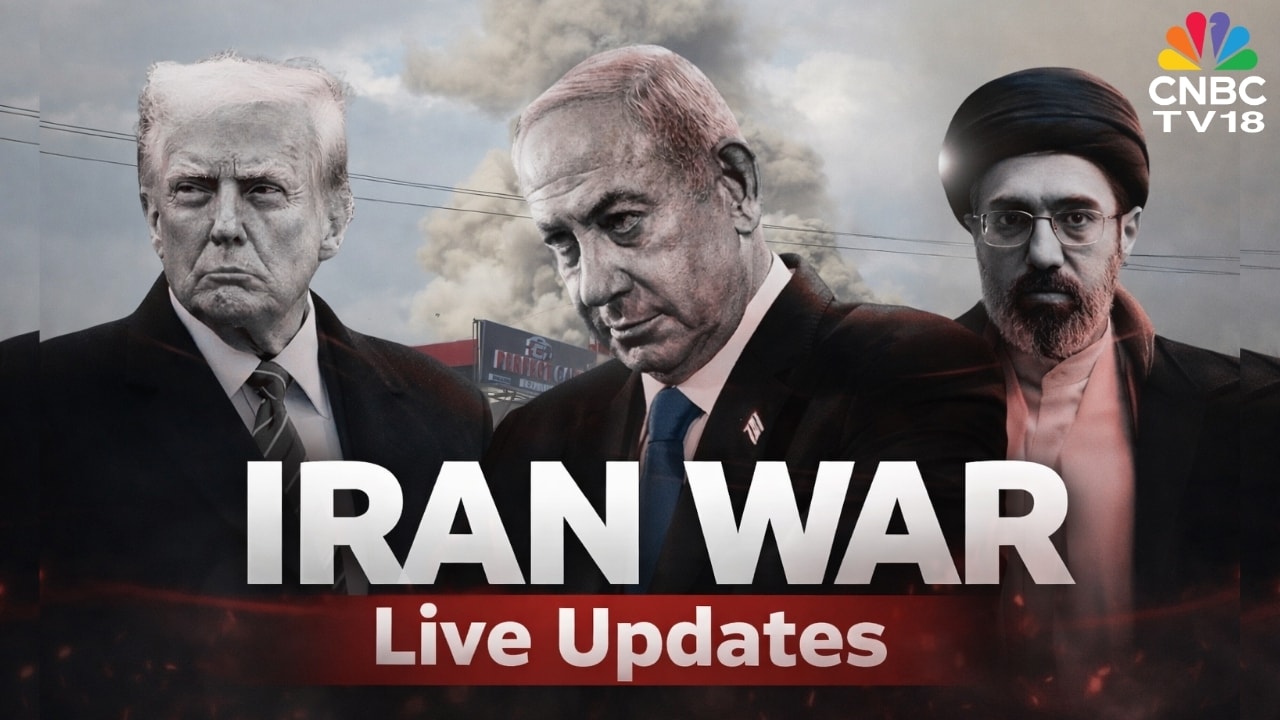
Meanwhile, the U.S. finds itself in the unenviable position of the middleman whom nobody trusts. To the Iranians, the U.S. is the "Great Satan" providing the bombs falling on their proxies. To the Israelis, the U.S. is a wavering friend, too eager to sign a deal that might leave them vulnerable. The "LIVE Updates" we see on our screens are the ripples on the surface of a very deep, very dark ocean.
The Invisible Toll of the Wait
There is a specific kind of exhaustion that comes from living in a state of "almost war." It’s a low-grade fever of the soul. It shows up in the way people drive, the way they snap at their children, the way they check their phones every three minutes.
Statistics can tell us how many missiles are in an arsenal. They can tell us the range of a drone or the payload of a warhead. But they can’t measure the cumulative trauma of a population waiting for a sky to fall. When Iran dismisses a ceasefire, the psychological impact is immediate. It tells the civilian population that the period of uncertainty has no end date.
The invisible stakes are the most dangerous. Every day a deal isn't reached is a day where a mistake can happen. A nervous radar operator, a miscommunicated order, a rogue commander—this is how world-altering conflicts begin. They rarely start with a grand declaration. They start with a misunderstanding during a stalemate.
The Counter-Proposal as a Shield
Iran’s counter-proposal is a masterpiece of political theater. It allows them to claim they are "pro-peace" while setting terms they know are impossible for the other side to accept. It shifts the "blame" for the continued tension back onto the West.
"We offered a path," the rhetoric suggests, "but they refused to walk it."
In reality, the counter-proposal is a shield. It protects the regime from appearing weak to its own hardliners while keeping the door just cracked enough to prevent a full-scale invasion. It is a calculated gamble. They are betting that the international community is more afraid of a regional war than they are of a nuclear-adjacent Iran.
But gambles have a way of going sideways.
History is littered with the corpses of people who thought they could control the fire they started. The 1914 parallels are often overused, but the feeling of an unstoppable momentum is eerily similar. We are watching a series of gears turn, and no one seems to have their hand on the brake.
The Silence After the News
What happens when the diplomats go home? What happens when the "LIVE" feed stops scrolling?
In the quiet hours of the morning, the reality remains. The U.S. ceasefire plan is a ghost. The Iranian counter-proposal is a provocation. And the people caught in the middle are still just people.
We talk about these nations as if they are monolithic entities, giant chess pieces moved by invisible hands. We forget that a "nation" is just a collection of Omars and Davids, people who want to see their children grow up, people who want to work a job and come home to a warm meal.
The tragedy of the current impasse isn't found in the text of the documents. It’s found in the silence of the people who have stopped hoping for a signature. They have learned that peace is not a paper bridge. It is a choice made every day, and right now, the people making the choices are choosing the fire.
The headlines will change tomorrow. There will be a new update, a new dismissal, a new "urgent" briefing. But the underlying truth is static. We are witnessing the slow-motion collision of two worlds that have forgotten how to speak the same language.
The ink is dry. The engines are warm.
Somewhere in a small apartment in a city you will never visit, a mother is tucking her son into bed. She looks at the window, not the door. She isn't checking for a burglar; she is checking for a flash. That is the human cost of a dismissed ceasefire. That is the reality that no counter-proposal can ever truly address.
The bridge is gone, and the water is rising.