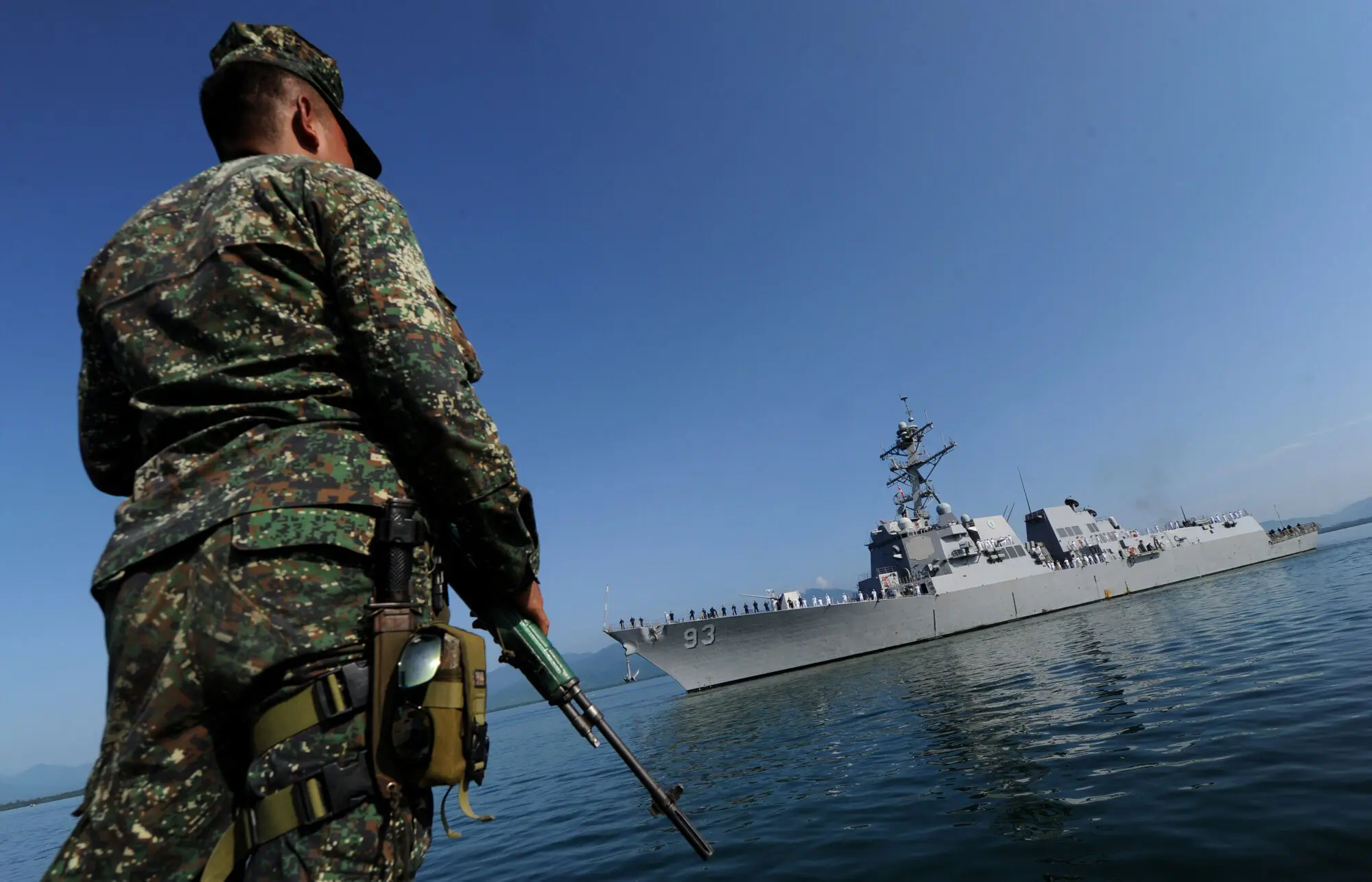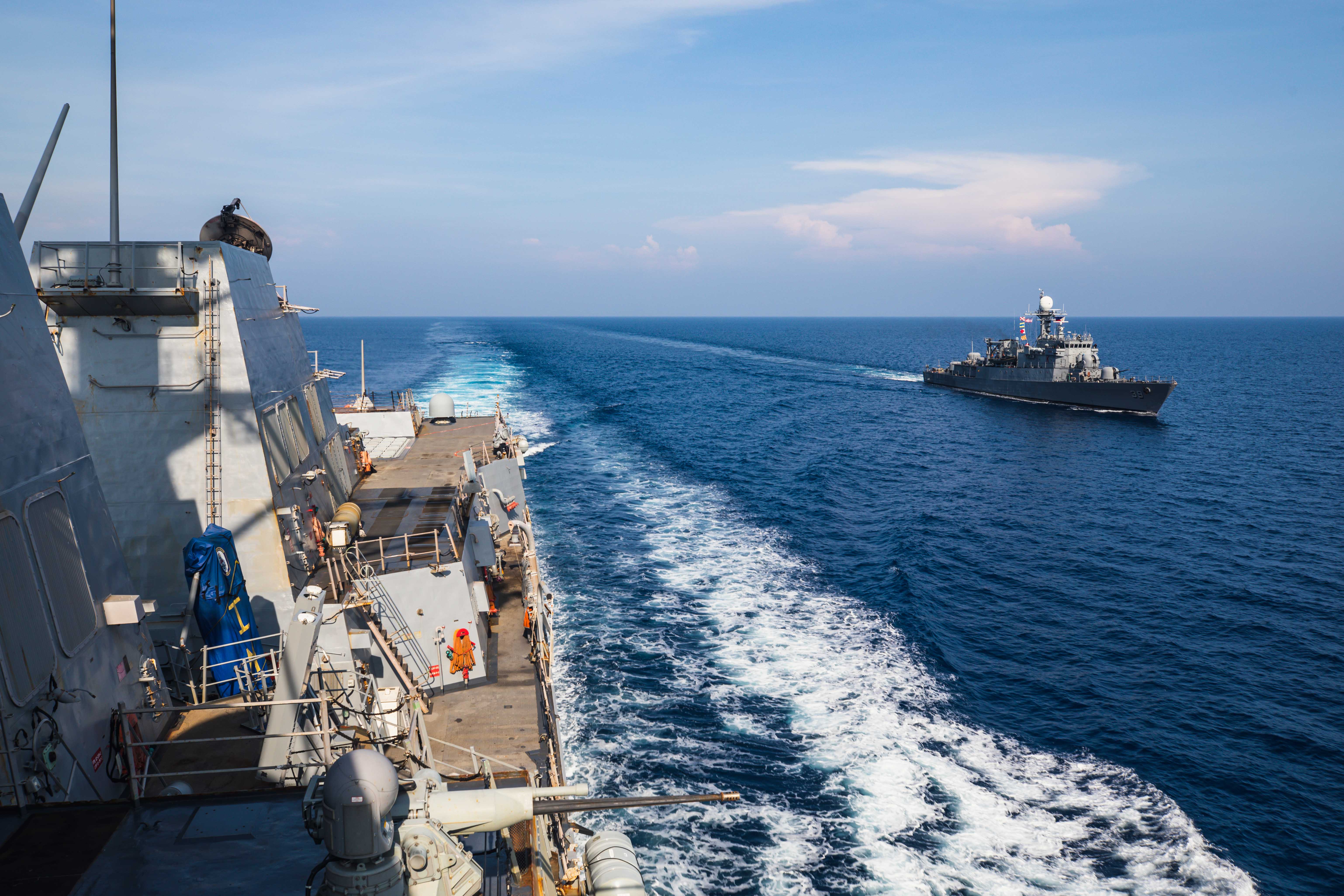
The signing of a Status of Visiting Forces Agreement (VFA) between the Philippines and France represents a calculated departure from historical bilateral reliance toward a diversified maritime security architecture. This transition is not merely a diplomatic gesture; it is a structural response to the increasing cost of maintaining sovereignty in the South China Sea. By formalizing the legal framework for troop deployments and military hardware synchronization, both nations are addressing a specific strategic deficit: the inability of mid-sized powers to solo-act against a persistent, gray-zone aggressor.
The Tripartite Logic of the VFA
The agreement functions across three distinct operational layers that transform the Philippine defense posture from a reactive stance to a collaborative deterrent. Meanwhile, you can read other stories here: The Calculated Silence Behind the June Strikes on Iran.
1. Legal and Jurisdictional Interoperability
A VFA provides the necessary legal "plumbing" for large-scale military cooperation. Without this framework, every joint exercise or ship docking requires ad-hoc diplomatic clearances, which creates friction in rapid-response scenarios. By standardizing the status of military personnel, the agreement lowers the administrative cost of presence. This allows French assets—specifically those based in its Indo-Pacific territories like New Caledonia and Réunion—to integrate more fluidly into Philippine maritime operations.
2. Force Projection and Sustainment
France maintains a permanent military presence in the Indo-Pacific, involving over 7,000 personnel and significant naval assets. The VFA allows the Philippines to tap into this existing French infrastructure. The relationship functions as a force multiplier: To see the bigger picture, check out the excellent article by The Guardian.
- Logistical Nodes: Philippine ports become viable hubs for French frigates patrolling the West Philippine Sea.
- Intelligence Sharing: Standardized protocols enable the real-time exchange of maritime domain awareness data.
- Maintenance Cycles: Access to local facilities reduces the downtime for European vessels operating thousands of miles from their home ports.
3. The Technology Transfer Pathway
Beyond personnel, the agreement signals a deepening of the defense-industrial relationship. The Philippines is currently in the midst of its "Horizon 3" modernization program, which focuses on enhancing "archipelagic defense." France, a Tier-1 defense exporter, offers specific capabilities that align with this doctrine, particularly in subsurface warfare and long-range radar systems.
The Cost Function of Neutrality vs. Alignment
For the Philippines, the economic and political cost of remaining unaligned has become prohibitively high. The "cost of inaction" is measured in the erosion of the Exclusive Economic Zone (EEZ) and the loss of untapped energy resources in the Reed Bank. The VFA with France follows the template of the existing US-Philippines VFA and the Reciprocal Access Agreement (RAA) with Japan.
This "minilateral" approach—building a web of overlapping bilateral agreements—serves a dual purpose. It avoids the domestic political sensitivity of a formal multilateral treaty (like a regional SEATO) while achieving the same tactical result: a multi-national deterrent. The strategic calculus suggests that the more nations have a legal "right of presence" in Philippine waters, the higher the reputational and military cost for any third party attempting to enforce a blockade or seize features.
Addressing the Gray-Zone Gap
The primary challenge in the South China Sea is not a full-scale kinetic war, but rather "gray-zone" tactics—actions that fall below the threshold of armed conflict but systematically change the status quo. These include the use of maritime militias, water cannoning of resupply vessels, and environmental degradation through land reclamation.
A VFA addresses this by professionalizing the response. When French and Philippine forces train together, they develop shared Rules of Engagement (ROE). This synchronization prevents miscalculations. If a French vessel is present during a Philippine resupply mission, it complicates the tactical environment for the China Coast Guard. The aggressor must then account for the presence of a nuclear-armed European power, shifting the risk-reward ratio of aggressive maneuvers.
Strategic Constraints and Execution Risks
While the VFA is a powerful tool, its efficacy is limited by two primary variables: domestic political stability and fiscal bandwidth.
The Philippine Senate must ratify the agreement, a process that exposes the tension between nationalist sovereignty concerns and the practicalities of collective defense. Historically, VFAs have been flashpoints for debates over criminal jurisdiction and the permanent stationing of foreign troops—the latter of which is prohibited by the Philippine Constitution. The French agreement must navigate these sensitivities by emphasizing its rotational and exercise-based nature.
The second constraint is the fiscal reality of the Philippine Department of National Defense (DND). While the VFA facilitates training, the Philippines still needs to procure the hardware to match its partners. French Scorpène-class submarines or Gowind-class corvettes are high-capital investments. The success of the VFA will likely be measured by whether it is followed by creative financing packages or industrial offsets that allow the Philippines to acquire these "anti-access/area denial" (A2/AD) capabilities.
The European Pivot to the Indo-Pacific
France’s motivation is rooted in its identity as an Indo-Pacific resident power. With 1.6 million French citizens and 93% of its EEZ located in the Indo-Pacific, Paris views the South China Sea not as a distant territorial dispute, but as a core national interest.
By signing this pact, France reinforces its "Third Way" strategy. This approach offers Indo-Pacific nations a security partner that is not the United States or China, providing an alternative for states that wish to avoid being caught in a bipolar superpower struggle. For the Philippines, this means more options. If US policy shifts toward isolationism, the French (and Japanese) pillars remain standing.
Tactical Roadmap for Integration
To maximize the value of the VFA, the Philippine-French Joint Defense Committee should prioritize three immediate operational milestones:
- Subsurface Training Program: Utilizing French expertise in diesel-electric submarine operations to train the initial cadre of Philippine submarine officers, even before hulls are delivered.
- Maritime Domain Awareness (MDA) Integration: Linking Philippine coast watch centers with French satellite data feeds to create a comprehensive digital map of vessel movements in the EEZ.
- Cross-Platform Logistics: Testing the ability of Philippine naval bases to refuel and resupply French "Aquitaine-class" FREMM frigates under simulated high-intensity conditions.
The VFA is the foundation of a new security ecosystem. It transforms the Philippines from a vulnerable archipelago into a central hub for a coalition of middle powers dedicated to a "rules-based order." The strategic play for Manila is now to leverage this legal framework into a tangible hardware advantage, ensuring that the cost of encroachment remains higher than any potential gain. Move toward finalized procurement of subsurface assets and long-range missile batteries to solidify the deterrent created by this diplomatic alignment.