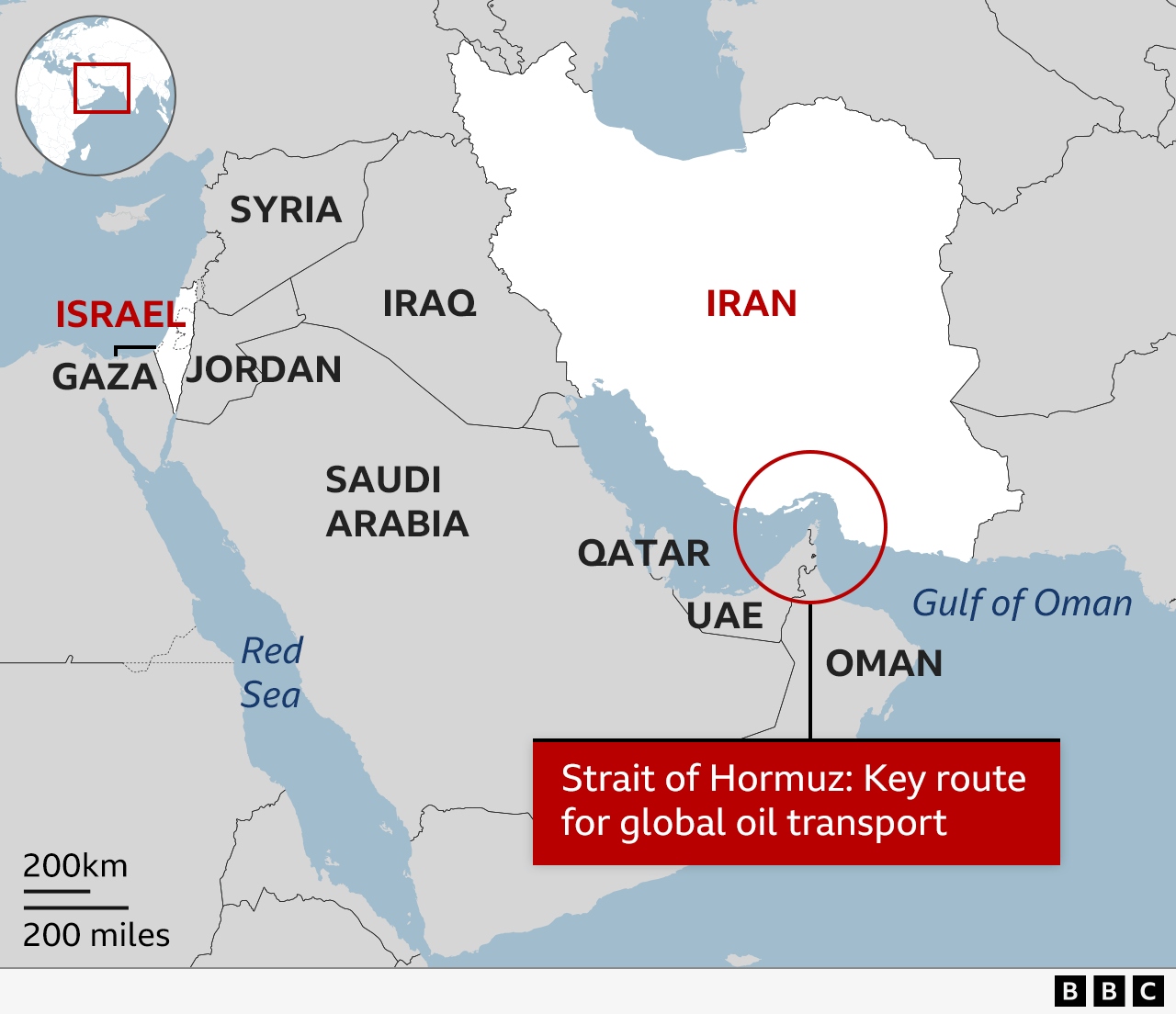
The Strait of Hormuz isn't just a stretch of water. It's the jugular vein of the global energy market. Right now, that vein is being squeezed by a geopolitical wrestling match between Washington and Tehran that has Ankara pacing the floors of the Presidential Complex. Turkey's Foreign Minister, Hakan Fidan, just went on the record to warn that any attempt to "rewrite the rules" of passage through this chokepoint is a recipe for disaster.
If you're wondering why a country that doesn't even border the Persian Gulf is so spooked, it's simple. Turkey sits at the crossroads of every major energy fallout. When the US and Iran start talking about new "rules" for who gets to sail through those 21 miles of water, they aren't just talking about security. They're talking about control over 20% of the world’s liquid petroleum. For Turkey, a country desperately trying to balance its NATO obligations with its regional energy needs, this isn't just news—it's a threat to national stability.
The High Cost of New Rules
The current crisis didn't pop out of nowhere. Since February 2026, the Strait has been a literal war zone. We've seen tankers struck by drones, satellite spoofing making navigation a nightmare, and insurance premiums skyrocketing to the point where shipowners simply refuse to make the trip.
But the real kicker came recently when reports surfaced that both the US and Iran are proposing "new rules" for the waterway. Iran has already experimented with charging massive tolls—upwards of $1 million per ship—and the US is now countering with a formal blockade of Iranian ports.
Turkey’s stance is blunt: you can't fix a maritime crisis with more guns. Fidan’s recent comments at the Anadolu Editor’s Desk made it clear that Ankara views an "international armed peace force" as a logistical and political trap. They don't want a "new normal" where the US Navy or the IRGC decides which ships are "legal." They want the old international law back, where transit is free and unobstructed.
Why Ankara is Diving into the Fray
Turkey’s anxiety stems from three very real pressures that don't show up in a standard news snippet:
- Energy Inflation: Turkey’s economy is already sensitive to oil prices. With Brent crude hitting $126 per barrel earlier this year, every tick upward in Hormuz tension translates to higher prices at Turkish pumps and factories.
- The Israel Factor: Fidan explicitly mentioned that Israel might be looking to "designate Turkey as a new adversary." By keeping the Middle East in a state of perpetual maritime war, Ankara fears it will eventually be forced to take a side it doesn't want to take.
- The NATO Tightrope: As a NATO member, Turkey is expected to align with Washington. However, Turkey also knows that a total collapse of trade with Iran—or a permanent US blockade—destabilizes their immediate neighborhood.
I've seen this play out before. When regional powers try to "regulate" international waters during a conflict, the "rules" never actually go away once the smoke clears. They become permanent leverage. Turkey sees the US-Iran negotiations not just as a ceasefire talk, but as a carving up of maritime sovereignty.
The Nuclear Elephant in the Room
Don't let the talk of "shipping lanes" fool you. This is still about the uranium. Fidan cautioned that if the US and Iran make uranium enrichment an "all-or-nothing" issue during these talks, the Strait will remain a hostage.
Pakistan has been trying to play the middleman, but the weekend talks in Islamabad were a flop. While Fidan claims both sides are "sincere" about wanting a ceasefire, the reality on the water tells a different story. The US is moving forward with its blockade today, April 13, and Trump has already threatened to destroy any Iranian warship that gets "anywhere close."
A Regional Security Framework or Bust
Turkey isn't just complaining; they're pitching a different way out. Ankara is pushing for a "regional security framework." Basically, they want the neighbors—the ones who actually live there—to handle the trust-building.
The mistake most people make is thinking this is just a US-Iran problem. It's not. It’s a global supply chain problem. If Turkey can’t convince the world to move toward a diplomatic reopening, we’re looking at a permanent shift in how energy is moved.
Turkey’s specific concern about "new rules" is that they will likely involve discriminatory transit. Imagine a world where your ship's flag or its destination determines if you're allowed to pass through the world's most important chokepoint. That’s the "new rule" scenario Fidan is trying to kill before it takes root.
What This Means for You
If you're watching the markets, keep your eyes on the April 22 deadline. That's when the current two-week truce is supposed to expire. If no deal is reached on these "new rules," the US blockade will likely intensify, and Iran will likely retaliate against ports in the Gulf of Oman.
Here's what you should be doing to prep for the fallout:
- Monitor the Insurance Markets: Watch the "War Risk" premiums for the Persian Gulf. If they don't drop after the next round of talks, the "peace" is fake.
- Watch Turkey’s Diplomatic Moves: If Ankara starts distancing itself from NATO statements regarding the blockade, it’s a sign they're moving to protect their own energy pipeline deals with the East.
- Diversify Energy Exposure: If your business or investments depend on global logistics, assume the Strait of Hormuz will remain "unstable" for the rest of 2026.
The era of "free and open" transit in the Middle East is under its greatest threat since the 1970s. Turkey knows it. Washington knows it. Now you know it too.